Surrounded by centuries of history and vibrant culture, Kyoto offers a window into Japan’s rich heritage. The city beautifully blends time-honored traditions with modern comforts, giving visitors an authentic taste of Japan.
It's true that Kyoto has drawn attention because of its large tourist crowds. However, I encourage you not to miss out on Kyoto, Japan's cultural heart. Kyoto represents Japanese culture in a way that other parts of the country cannot do. This guide will help you understand why I love Kyoto so much!
👉 Worried about the tourist crowds? Check out our article about overcrowded Kyoto ⛩️
➡️ How long should you stay in Kyoto? Our guide can help decide how many days in Kyoto 🇯🇵

1. Kyoto City: A Mixture of Modern & Traditional Japan
Kyoto is smaller city than Japan's economic centers like Tokyo and Osaka. However, Kyoto stands out because of its preserved cultural and historic charm. Key highlights include:
- Balanced Skyline:
- Unlike towering skyscrapers, Kyoto limits building heights (opens in new tab) (often capped at 31 meters) to protect views of Kyoto's temples and shrines.
- Cultural Preservation:
- The city’s layout and architecture honor centuries-old traditions, ensuring that modernity doesn’t overshadow its rich past.
2. A Glimpse into Kyoto’s Rich History
With a legacy spanning over 1,000 years, Kyoto’s narrow alleyways and timeless architecture tell stories of its past as Japan’s ancient capital. Consider these fascinating points:
- Historical Capital:
- Kyoto was Japan’s capital from 794 to 1868 (opens in new tab), setting the stage for its cultural and political heritage.
- Architectural Heritage:
- Wander through streets lined with traditional wooden buildings and historic sites.
- UNESCO World Heritage:
- Home to 17 UNESCO World Heritage Sites, Kyoto boasts one of the highest concentrations of cultural heritage in the world.
- Local Delicacies:
- The nearby Uji region is famous for producing some of Japan’s best green tea.
- The nearby Uji region is famous for producing some of Japan’s best green tea.

3. Kyoto’s Must-See Temples and Shrines
The main draw of Kyoto is its famous ancient Japanese temples and shrines, many of which are listed as World Heritage Sites (opens in new tab).

3.1. Discover Kinkaku-ji Temple: Kyoto’s Famous Golden Pavilion
- Among the most famous of Japan's traditional temples is Kinkaku-ji Temple (opens in new tab) (金閣寺), also known as the Golden Pavilion.
- Surrounded by Zen Buddhist gardens, you can find the golden temple shining in the sunlight.
- Learn More: Check out our detailed guide on Kinkaku-ji Temple for tips on visiting.

3.2. The Red Gates of Fushimi Inari Taisha
- Fushimi Inari Taisha (opens in new tab) (伏見稲荷大社), famous for its thousands of vibrant red torii gates that lead you through a beautiful forest.
- This shrine gets extremely busy at certain times!
- Plan Your Visit: Read our article about Fushimi Inari for the best times to experience this landmark.

3.3. Kiyomizu Temple: The Kyoto Temple Overlooking the City
- Kiyomizu-dera (opens in new tab) (清水寺) is a spectacular temple sitting on a hillside overlooking the city. Its wooden terrace offers breathtaking views, especially during cherry blossom season.
- Warning: This is one of Kyoto's most popular temples. Therefore, it gets seriously overcrowded at peak times. My advice is to go early in the morning or late in the afternoon. Note that Kiyomizu-dera has undergone phased restoration work in recent years — check the official Kiyomizu-dera website before your visit for the latest information on any ongoing renovation that may affect your experience.

3.4. Heian Jingu Shrine: Kyoto's Golden Age
- Heian-Jingu Shrine (opens in new tab) is a special place from Japan's golden historic age.
- Step back in time at this shrine from Japan’s golden age, featuring expansive gardens and a tranquil pond perfect for a leisurely stroll.
- Discover More: Explore our in-depth review of Heian Jingu for insights and local tips.

3.5. To-ji Temple: Kyoto's Oldest Pagoda
- Home to Japan’s tallest wooden pagoda, this ancient site is a must-visit for architecture enthusiasts.
- Extra Tip: Visit on the 21st of each month to catch the bustling antique flea market.

3.6. Arashiyama: Kyoto’s Scenic and Spiritual Retreat
- Located on the western edge of Kyoto, Arashiyama is a district that blends breathtaking natural beauty with historic temples and shrines. Known for its iconic Bamboo Grove, picturesque Togetsukyo Bridge, and hidden cultural gems.
- Extra Tip: This place is very lovely, but a little over-rated. Because of this, it can get overcrowded. Go early in the morning or late in the afternoon.
4. The Geisha Experience in Kyoto
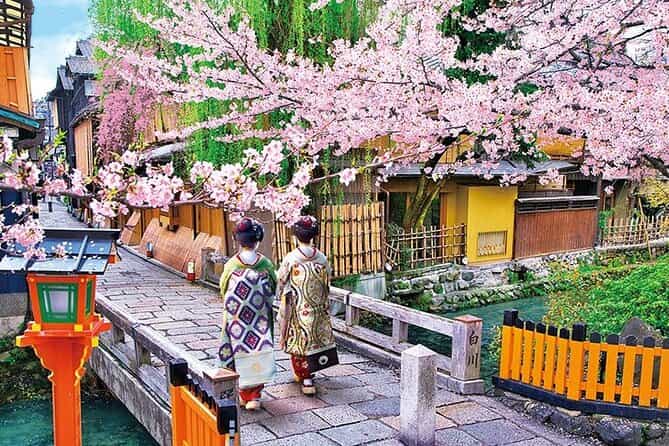
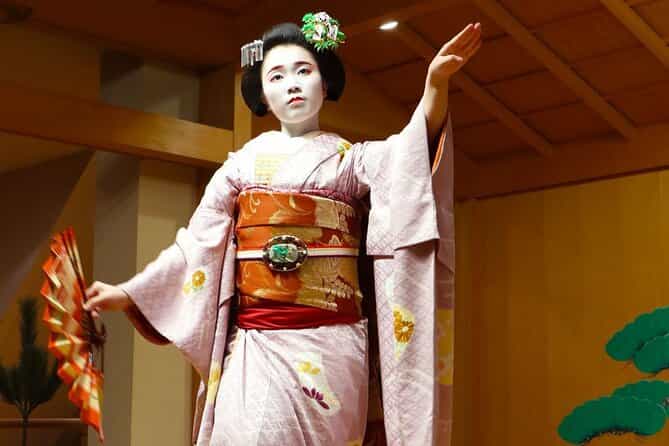
Kyoto’s geisha culture is one of its most enchanting traditions. Locally known as “geiko,” these skilled entertainers preserve Japan’s timeless arts and grace.
4.1. Explore Gion – The Heart of Geisha Culture
- Stroll Historic Streets: Wander through Gion’s narrow lanes to catch a glimpse of geiko and maiko in their elegant attire.
- As of 2024, photography of geiko and maiko on private streets in Gion is officially banned and violators may be fined. Always respect posted signs and do not enter restricted backstreets.
Kyoto Walking Tours Around the Streets of Gion

4.2. Book a Traditional Geisha Experience
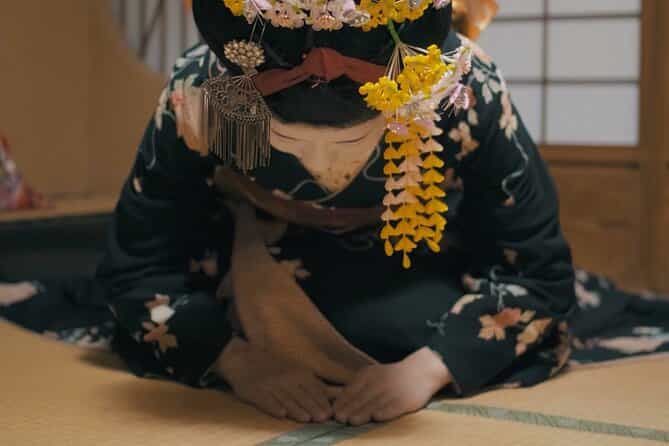
Immerse yourself in Kyoto’s time-honored traditions by booking an authentic geisha encounter. Whether you're participating in a tea ceremony or attending a live maiko performance, these experiences offer a firsthand look at the art and rituals that have been preserved for centuries.
Tea Ceremonies:
- Witness the meticulous preparation and presentation of matcha tea.
- Learn about the cultural significance and etiquette that define this ancient ritual.
Maiko Performances:
- Enjoy a captivating display of dance, music, and storytelling performed by maiko.
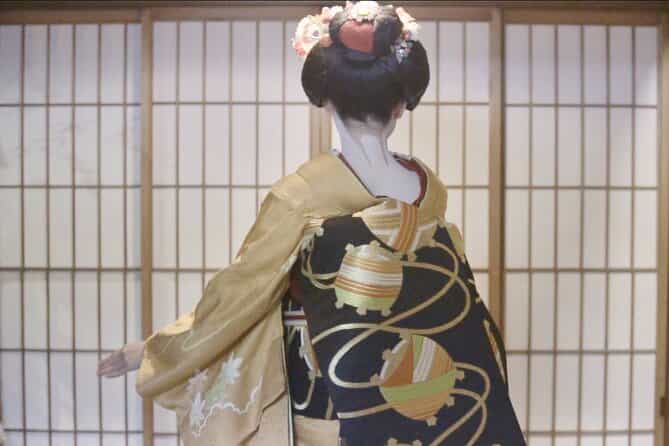
- Experience the graceful movements and traditional costumes that symbolize Kyoto’s refined heritage.
In addition to these encounters, explore our exclusive widgets for Maiko Dance and Dinner experiences. These curated packages offer:
Interactive Cultural Sessions:
- Engage with live performances and gain insight into the traditions of Kyoto’s geiko.
Gourmet Dining Experiences:
- Savor authentic Kyoto cuisine paired with the artistry of maiko dance.
These traditional geisha experiences are a perfect way to deepen your connection to Kyoto’s cultural legacy while enjoying a truly immersive adventure.
5. Eating Out in Kyoto
Kyoto’s dining scene is as rich as its history. From sophisticated multi-course meals to casual street eats, there’s something to satisfy every palate.

5.1. Traditional Kyoto Cuisine
- Kaiseki: Enjoy a seasonal, multi-course meal that highlights the art of Japanese culinary tradition.
- Yudofu: Savor a hot pot dish featuring tofu simmered in a delicate broth.
- Kyo-ryori: Experience the refined “court food” once enjoyed by the emperor, focusing on subtle flavors and elegant presentation.
5.2. Casual Dining and Nightlife
- Kiyamachi Street: Discover a vibrant scene with toriyaki restaurants and izakayas (traditional Japanese bars).
- Late-Night Spots: Check out Kiyamachi Street (木屋町通– kiyamachi-dori) for popular bars like Rock Bar ING and Zaza Bar (opens in new tab) for a great evening.

6. Kyoto's Natural Beauty - Gardens, Parks, and Cherry Blossom Season
Kyoto is not only known for its temples and shrines but also for its breathtaking natural beauty. The city is blessed with numerous gardens and parks that offer escape from the busy streets.
- Ryoan-ji Temple (opens in new tab): a Zen garden, famous for its simplicity and rock arrangements. Take a moment to meditate in this peaceful space;
- Maruyama Park (opens in new tab): during cherry blossom season, the park comes alive with thousands of cherry trees in full bloom;
- Katsura Imperial Villa (opens in new tab): a masterpiece of Japanese landscape design;
- Kyoto Botanical Garden (opens in new tab): home to a vast collection of plants and flowers from around the world.

7. Where to Stay in Kyoto - Ryokans, Hotels, and Accommodation Options
When it comes to accommodation in Kyoto, you'll be spoiled for choice. Whether you're looking for traditional Japanese hospitality or modern luxury, the city offers a range of accommodation options to suit every traveler's needs.
7.1. Staying at Kyoto Ryokan (Traditional Japan Inn)
For a real Japanese experience, think about staying in a ryokan, a traditional Japanese hotel. Ryokans offer unique Japanese hospitality service (known as omotenashi), tatami-matted rooms, futon beds, and Japanese baths. Many also include a multi-course kaiseki dinner and breakfast served in your room, making for a truly immersive experience.
Do note that Kyoto's most popular ryokans book up quickly — especially during cherry blossom season in spring and the autumn foliage season in November — so we strongly recommend reserving well in advance.
👉 Find out more about staying in Kyoto ryokan with a private onsen bath ♨️
7.2. Staying at Kyoto Hotels
If you prefer more contemporary accommodations, Kyoto has a large choice of hotels. From boutique hotels tucked away in historic neighborhoods to international chains offering modern comforts.
Staying Close to Kyoto Station:
Affiliate link
Affiliate link
Kyoto's East Part of the City:
Affiliate link
Affiliate link
Staying in Central Kyoto:
Affiliate link
Affiliate link

When choosing where to stay in Kyoto, the neighborhood matters as much as the hotel itself. Staying in Gion or Higashiyama puts you within walking distance of many of Kyoto's most famous temples and traditional streets - ideal if you want to be immersed in the historic atmosphere. The area around Kyoto Station is more modern but extremely convenient for day trips to Nara, Osaka, and beyond.
For budget travelers, Kyoto has a good selection of guesthouses and budget hotels that offer excellent value without sacrificing location. Families will find a range of family-friendly hotels with larger rooms and child-friendly facilities — see our Kyoto family hotel guide for our top picks.
Whatever your budget, we recommend booking accommodation as early as possible. Kyoto fills up fast during cherry blossom season (late March to early April) and autumn foliage season (November), and last-minute options can be limited and expensive.
8. Getting to Kyoto: Bullet Train and Other Options
Kyoto is Japan’s cultural heart, home to breathtaking temples, traditional streets, and stunning gardens. If you're traveling from Tokyo to Kyoto, here are the best ways to do it.
8.1. Taking the Shinkansen (Bullet Train) to Kyoto
The Shinkansen (bullet train) is the fastest and most comfortable way to travel from Tokyo to Kyoto.
The Nozomi Shinkansen gets you there in just 2 hours and 15 minutes, while the Hikari Shinkansen (covered by the Japan Rail Pass) takes about 2 hours and 40 minutes.
- Why choose the Shinkansen?
✅ High-speed travel (up to 320 km/h)
✅ Spacious, comfortable seating
✅ No airport security hassle—just hop on and go!
✅ Frequent departures throughout the day
👉 Book your Tokyo to Kyoto Shinkansen ticket via Klook (opens in new tab)
🚄 Buy a Japan Rail Pass from the official JR site (opens in new tab)
8.2. Taking a Night Bus from Tokyo to Kyoto
If you’re looking for a more budget-friendly way to travel, the overnight bus is a great option! The VIP Liner night bus departs from central Tokyo and arrives in Kyoto early the next morning. It offers reclining seats, onboard restrooms, and free Wi-Fi on select buses.
- Why choose a night bus?
✅ Cheaper than the Shinkansen
✅ Travel overnight and save on accommodation
✅ Multiple departure and arrival locations
👉 Book your Tokyo-Kyoto VIP Liner Night Bus via Klook (opens in new tab)
Whether you want speed and comfort or a budget-friendly overnight journey, these options make it easy to explore Kyoto!
9. Planning your Kyoto Itinerary - Tips and Recommendations
With so much to see and do in Kyoto, planning your itinerary can seem overwhelming. Here are a few tips to make the most of your visit:
- Research and prioritize: Make a list of the attractions that interest you the most and plan your days accordingly.
- Take your time: Kyoto city is best explored at a leisurely pace. Allow yourself plenty of time to soak in the beauty of each temple.
- Experience the seasons: Kyoto's beauty changes with each season. Consider visiting during cherry blossom season in spring or autumn when the foliage turns red and gold.
- Embrace the local customs: Respect the traditions and customs of Kyoto by observing proper etiquette when visiting temples and shrines.
FAQs
What is the best way to get around Kyoto?
Kyoto has an extensive bus network that connects most major tourist attractions, and an IC card such as a Suica or ICOCA card makes paying for buses and trains simple. The city is also very cycle-friendly and renting a bike is a popular and affordable way to explore. Taxis are available but can be expensive for longer journeys.
How do you get to Kyoto from Tokyo?
The fastest and most popular way to travel from Tokyo to Kyoto is by Shinkansen bullet train, which takes approximately 2 hours 15 minutes on the Tokaido Shinkansen. The JR Pass covers this route and can offer good value if you are making multiple long-distance journeys. You can also fly into Osaka Kansai Airport and take a train to Kyoto in about 75 minutes.
Is Kyoto worth visiting despite the tourist crowds?
Yes, Kyoto is absolutely worth visiting even with its popularity. While some landmarks like Fushimi Inari and Kiyomizu-dera get very busy at peak times, visiting early in the morning or late in the afternoon makes a significant difference. Kyoto also has many lesser-known temples and hidden neighborhoods that see far fewer visitors, so exploring beyond the main sights rewards curious travelers.
How much does it cost to visit Kyoto for a day?
A day in Kyoto can range from relatively affordable to quite expensive depending on your choices. Many temples charge an entry fee of around 500 to 1000 yen each. Budget travelers can eat well for 1000 to 2000 yen per meal at local restaurants and convenience stores. Accommodation varies widely, from around 4000 yen per night at guesthouses to over 50000 yen at luxury ryokans.
Loading Comments...