Understanding Etiquette and Manners in Japan
Visiting Japan is an exciting adventure, but you should be aware of local Japanese manners and customs. Otherwise, your lack of knowledge could lead to unintentional bad manners.
I've been living in Japan for decades, when it comes to Japanese etiquette I still make mistakes from time-to-time. I'm a loud Australian and I will never be able to pass as Japanese. But I can try my hardest to be considerate of other Japanese people around me.
From talking on your phone on the train, to talking loudly in a public bar, to improper chopstick use, what is considered polite elsewhere may be rude behavior in Japan. By understanding what is etiquette rules in Japan, you can show respect and enjoy a more fulfilling experience in this fascinating country.

1. Talking Loudly in Public Places is Disrespectful in Japan
- Loud conversations are considered impolite and can disturb others.
- Keep your voice down in public spaces to avoid bad manners in Japan.
Japanese culture values tranquility and respect for others' personal space, so loud talking can disrupt harmony and draw unwanted attention.
My foreign friends and I often find ourselves talking too loudly on Japanese trains. It is easy to do when the train is making noise and your catching up and enjoying the conversation.
2. Talking on Your Phone on Japanese Public Transportation
- Talking on your phone on the train or a bus is considered rude behavior and inconsiderate to those around you.
- Keep your phone on silent mode, known as "Manner Mode". Avoid watching videos or playing games with the sound on.
- Texting on a train is acceptable, but if you receive a call, it's polite to step off or hang up and text back.

3. Don't Eat While Walking in Japan
This one is not seen as rude as it once was. Traditionally, eating while walking, known as tabearuki, was seen as bad manners in Japan. Japanese culture emphasizes appreciating food in the proper setting.
However, today exceptions exist. For example, at Japanese festivals or certain tourist areas like Osaka's Dotonbori.
Outside of these cases, it's best to avoid eating on the go. If you buy street food, try to eat it near the stall or find a place to sit.
4. No Tipping Culture in Japan
- Tipping is not customary in Japan and can be seen as rude behavior.
- Giving a tip can mean that the staff is not paid adequately.
- Show appreciation for good service by thanking the staff with a simple "arigatou gozaimasu" and a slight bow.
- Excellent service is considered a standard part of the dining experience in Japan.

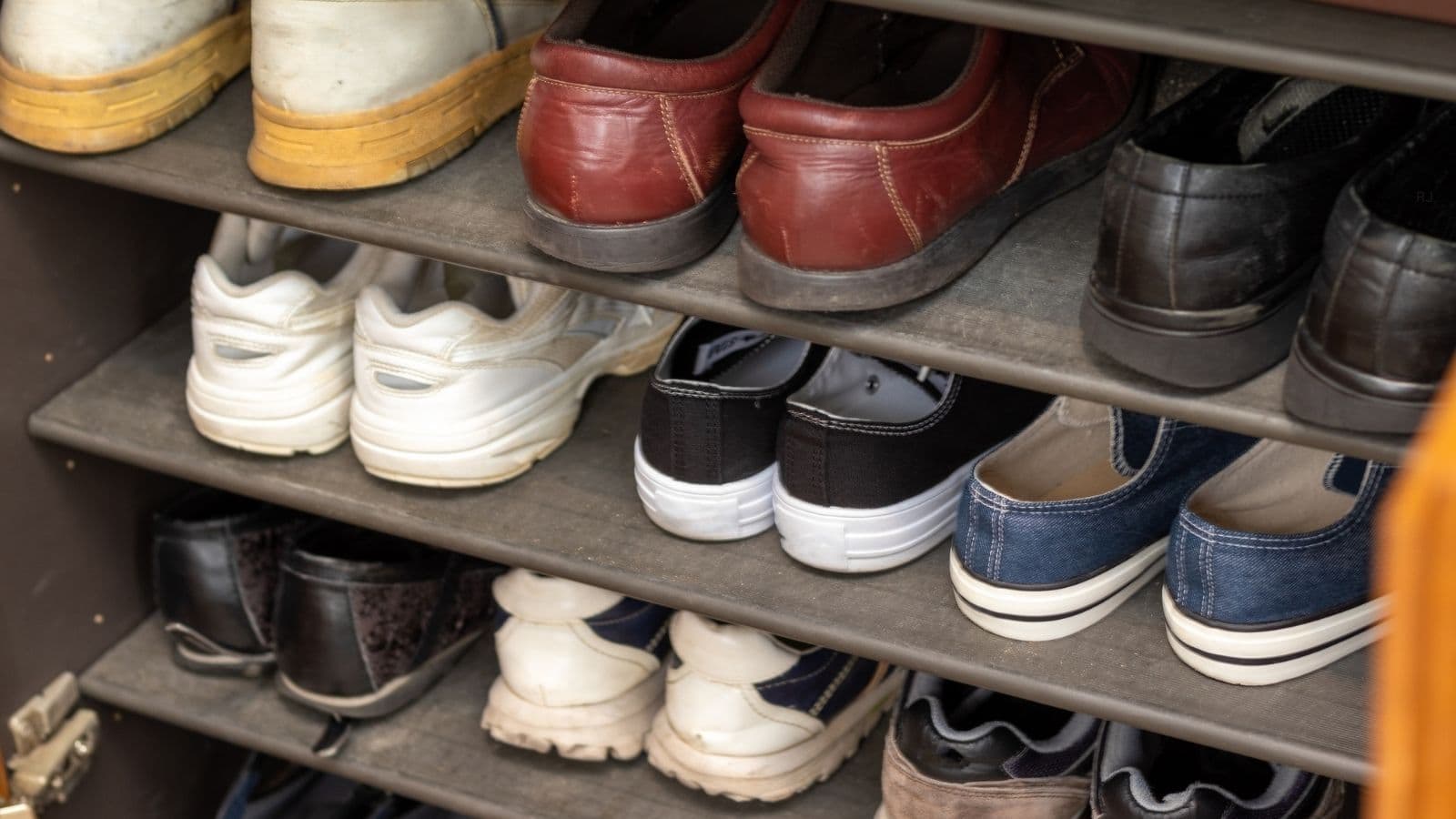
5. Japanese People Don't Wear Shoes Indoors
- Wearing shoes indoors is considered bad manners and is a serious no-no in Japan.
- Remove your shoes when entering private homes, traditional inns (ryokans), temples, and some restaurants.
- Use the genkan (entryway) to step out of your shoes and into indoor slippers if provided. Remember, feet and socks should not touch the same ground as shoes.
If you are in a building or house where you are expected to take off your shoes, DO IT! Even if it is your own apartment, do not wear your shoes indoors. I have known foreigners who did not take off their shoes inside. When they had Japanese guests over, their guests felt very embarrassed.
6. Blowing Your Nose in Public
- Blowing your nose in public can sometimes be seen as impolite in Japan... Less so than it used to be...
- Excuse yourself to a restroom to blow your nose.
- Wear a surgical mask when your sick. This is common in Japan and shows consideration for others by preventing the spread of germs.
7. Pointing with Your Finger
Pointing with your finger in Japan is seen as aggressive and impolite. For example, at convenience stores, don’t point at what you want. Instead, use an open hand with the palm facing down to indicate direction or draw attention to something. This polite gesturing aligns with Japanese cultural emphasis on respect and harmony.

8. Do Not Stick Chopsticks Upright in Rice
In Japan, chopstick etiquette is a serious matter and there are many chopstick rules to consider.
- Sticking chopsticks upright in rice is seen as a major cultural faux pas. It is considered both bad manners and bad luck in Japan. This act is associated with Buddhist funeral rituals and is deeply disrespectful.
- Rest your chopsticks on a holder when not using them, or lay them parallel across your dish.
9. Being Late Shows a Lack of Respect
- Punctuality is highly valued in Japanese culture.
- Lateness is considered rude behavior and shows a lack of respect for other people's time.
- Arrive 5-10 minutes early for appointments.
- If you are late, inform the other party immediately and apologize sincerely.

10. Public Displays of Affection is Disrespectful
Do not kiss and hug on the street! Public displays of affection (PDA) are generally frowned upon and considered bad manners in Japan. This is the reason why love hotels are so popular in Japan!
While holding hands is acceptable, kissing and hugging in public can make others uncomfortable. Japanese culture values modesty and emotional restraint in public spaces.
When my wife and I were younger and still dating, we got publicly told off for this one!
11. Carry Your Rubbish Home in Japan
Japan is known for its cleanliness, and littering is considered extremely rude behavior.
- Carry your trash with you until you find a proper place to throw it out. Public trash cans are hard to find. So, people usually carry their trash home.
- Do not leave your trash on the street! Always dispose of waste properly to respect Japan's clean culture.

12. Ignoring Queuing Etiquette is Inconsiderate
- Queuing is fundamental in Japan. It reflects politeness and consideration.
- Do not ignore queue lines or cut in. This is considered bad manners in Japan.
- Always line up orderly in single file for trains, buses, and shops, and wait your turn patiently.
13. Do Not Disregard Bathing Etiquette at Onsen
Onsen (hot springs) have specific etiquette. Failing to follow these is considered rude behavior in Japan.
- Always wash and rinse your body thoroughly before entering the communal bath.
- Enter the onsen naked—swimwear is usually not permitted—and be mindful of others by keeping noise levels low.
14. Speaking Japanese Poorly Without Trying
- While Japanese people appreciate the efforts of foreigners to speak Japanese language, making no effort or being dismissive is considered bad manners.
- Learning basic Japanese phrases shows respect and can enhance your experience.
Simple Japanese expressions like "arigatou gozaimasu" (thank you very much) and "sumimasen" (excuse me) are appreciated.

15. Do Not Disrespect Sacred Japanese Spaces
- Disrespecting sacred spaces like shrines and temples has become a big issue due to recent badly behaved tourists in Japan.
- Keep your voice down in sacred spaces.
- Dress modestly when going to holy shrines and temples.
- Bow upon entering, follow purification rituals, and be respectful of photography rules.
Conclusion
Understanding and avoiding these bad manners in Japan can significantly enhance your travel experience. By respecting local customs and etiquette, you'll show consideration for Japanese culture and enjoy a more fulfilling visit. Remember, being mindful and observant is key. When in doubt, follow the lead of the locals, and you'll navigate Japan's rich cultural landscape with ease.
FAQs
What are the biggest etiquette mistakes to avoid in Japan?
In Japan, avoid speaking loudly, pointing at people, and eating while walking. Also, don’t leave chopsticks sticking upright in rice as it resembles funeral customs. Respect personal space and always remove shoes indoors where required.
Is it rude to tip in Japan?
Yes, tipping is not common in Japan and can even be considered rude. Instead, show your appreciation with a thank you and polite bow. Exceptional service is already included in the price, so no tip is necessary.
Can I talk on my phone on trains in Japan?
No, it’s considered impolite to talk on the phone on Japanese trains. Trains are treated as quiet spaces, so keep your phone on silent mode and avoid disturbing others.
Why shouldn’t you pour your own drink in Japan?
In Japan, it’s a polite custom to pour drinks for others and allow them to pour yours. Pouring your own drink might be seen as ignoring tradition and can seem impersonal during meals or social gatherings.
What’s the proper way to use chopsticks in Japan?
Never point with chopsticks, pass food directly from chopstick to chopstick, or stab food. These actions can remind people of funeral practices, so use chopsticks carefully and place them on a chopstick rest when not in use.
Loading Comments...