Tokyo is a city of quiet contrasts and vibrant surprises—a place where centuries-old temples sit beside shining skyscrapers. Tokyo city is home to around 14 million people (opens in new tab). This metropolis offers a blend of old-world Japan and contemporary energy.
I've never lived in Tokyo, but I've been visiting there since the early 1990s. Tokyo leaves an impression on everyone! While Kyoto has its temples and Osaka has its nightlife, Tokyo is a city so vast you can find whatever you want. From majestic cultural landmarks, neon-lit neighborhoods pulsing with technology, or narrow backstreets filled with cozy izakaya (opens in new tab) and hidden gems.
This guide shares 25 essential experiences to help you connect with the many layers of Tokyo—each one an invitation to see the city not just as a destination, but as a living story waiting to be discovered.
💡 Planning your trip to Japan?
➡️ Check out these family-friendly Tokyo hotels!
➡️ Which will you take? Japan's Bullet train vs air travel
1. Asakusa: Traditional Culture at Sensoji Temple

You haven't really seen Tokyo until you go to Asakusa (浅草). The highlight here is Sensoji Temple (浅草寺 - sensouji), Tokyo’s oldest Buddhist temple and welcomes over 30 million visitors every year (opens in new tab).
But Sensoji is more than just a destination—it’s a story that begins in the year 628 AD, when two fishermen pulled a statue of Kannon, the goddess of mercy, from the Sumida River.
1.1. Sensoji Temple History and Architecture
The first thing you will see when you arrive is the iconic Kaminarimon Gate, as pictured above.
WARNING: This is a popular photo spot, so it gets very crowded at peak times. But it's more than just a popular photo spot—this lantern is a symbol of protection and welcome.

1.2. Best Time to Visit Sensoji Temple
- The temple opens at 6:00 AM. While the grounds are peaceful at this time, the markets will not yet be open. If you want to experience the shops along Nakamise Street, I recommend going at 10:00 AM.
- Avoid major holidays like Golden Week and the New Year period. The crowds can feel overwhelming during public holidays!
1.3. Shopping at Nakamise Street
Walking toward the temple, you’ll pass through Nakamise-dori, a marketplace that dates back to the Edo period (1603 - 1868) (opens in new tab).
- Lined with 90 shops selling traditional snacks, handmade crafts, and souvenirs.
- Opens from 10:00 AM and closes by 7:00 PM, though some shops stay open a little longer.

1.4. Etiquette and Customs at Sensoji Temple
Visiting Sensoji isn’t just sightseeing—it’s participating in living tradition. Here's how to engage respectfully:
- Cleanse yourself at the temizuya (water pavilion): rinse your left hand, then right, then your mouth (don’t sip!).
- Offer incense at the large burner in front of the main hall (¥100), wafting the smoke over your body for good fortune.
1.5. Take a Tour Around Asakusa
2. Marvel at the Shibuya Crossing Spectacle

In the heart of Tokyo’s Shibuya business district, a remarkable sight unfolds every few minutes. Thousands of people converge at the iconic Shibuya Crossing, moving in an almost choreographed flow. It's been said that around 2,500 people step (opens in new tab) into the intersection during a single green light.
2.1. Best Viewing Spots to See Shibuya Crossing
If you're wondering where to take in the spectacle, here are some of the best vantage points:
- Shibuya Sky (230m above the street): This rooftop observation deck offers an aerial view of the crossing and the city skyline beyond. It’s a popular spot, so aim to book in advance if possible. ➡️ Sky tickets available here! (opens in new tab)
- Mag’s Park (opens in new tab) (Shibuya 109): For a slightly lower yet dramatic angle, this rooftop terrace (¥600 entry) provides a closer look at the ebb and flow below.
- Hikarie’s 11th Floor Skylobby: A peaceful, lesser-known spot that offers floor-to-ceiling views without the crowds—perfect for thoughtful observation or photography. ➡️ Skylobby tickets available here! (opens in new tab)
- Hachikō Square (opens in new tab): At ground level, you can feel the rhythm of the crossing up close. It’s also home to the beloved Hachikō statue, a Tokyo icon in its own right.
2.2. Tips for Photographing Shibuya Crossing
To capture the moment, timing is everything. The golden hour—about 30 to 60 minutes before sunset—offers the best lighting, as the warm glow of dusk melts into the electric brilliance of neon night.

2.3. When to Go: Shibuya's Peak Hours Uncovered
The crossing changes with the rhythm of the day. Here’s when you’ll see it at its most alive:
- Weekday mornings (8:00–9:00 AM): Office workers create a sharp, purposeful tide.
- Evenings (5:00–8:00 PM): The city's lights flicker on, and the crossing takes on a luminous glow—this is the most visually captivating time to visit.
- Weekend afternoons, especially on Saturdays, are the busiest, as shoppers and tourists flood the area.
3. Explore Harajuku: Tokyo’s Crazy Fashion District

Harajuku is Tokyo at its most playful and expressive—a mix of fashion, flavor, and youth culture that has captured imaginations around the world. Tucked between Shibuya and Shinjuku on the Yamanote Line, this colorful neighborhood is a place where past and future Japan meet on technicolor terms.
3.1. Takeshita Street: The Beating Heart of Youth Fashion
At just 350 meters long, Takeshita-dori might seem small—but this narrow street hums with the energy of Tokyo’s teen fashion revolution. It's a place to wander, snack, and soak up ever-evolving trends.
In Harajuku, You’ll Find:
- WEGO (opens in new tab) – a hotspot for casual, mix-and-match looks beloved by Tokyo’s stylish youth.
- ACDC Rag (opens in new tab) – where Gothic Lolita, pastel punk, and streetwear collide in brilliant displays of creative expression.
- Daiso (opens in new tab) – a multi-floor wonderland of budget-friendly souvenirs, kawaii accessories, and daily essentials.
Even if you’re not a fashionista, Takeshita Street is a spectacle worth experiencing.

3.2. Harajuku's Famous Crepe Stalls
No trip to Harajuku is complete without indulging in a freshly made crepe—an edible icon of the area’s fun-loving spirit.
- Marion Crepes (opens in new tab), one of the original pioneers (est. 1976), offers both sweet and savory options with a nostalgic twist.
- Santa Monica Crepes (opens in new tab) turns heads with their decadent fillings—think ice cream, cheesecake, and strawberries all wrapped in one delightful cone.
Just steps from the station, Sweet Box serves up quirky creations like pizza crepes, making it a favorite among adventurous foodies.
3.3. Harajuku’s Hidden Cafes
Behind the buzz, Harajuku has a softer side. Just steps away from the crowds, you’ll find tranquil cafés where craftsmanship and calm take center stage.
- Reissue (opens in new tab) – known for whimsical 3D latte art that’s almost too cute to drink.
- The Roastery by Nozy Coffee (opens in new tab) – a minimalist haven on Cat Street, offering single-origin beans and a peaceful pause from the bustle.
- Dotcom Space Tokyo (opens in new tab) – a sleek, spacious café perfect for a reflective break or a quiet chat.
4. Tokyo Tower: A Beacon of Beauty and Resilience

Rising 333 meters above the Tokyo skyline (opens in new tab), Tokyo Tower stands as a symbol of Japan’s post-WWII rebirth. Completed in just 18 months by over 220,000 dedicated workers, the tower is a shining testament to the country’s spirit of perseverance and innovation.
Inspired by the Eiffel Tower, but uniquely Japanese in spirit, Tokyo Tower invites visitors to see the city from new heights.
➡️ Purchase tickets for Tokyo Tower with our Klook affiliate link (opens in new tab) 🗼
4.1. Observation Decks: Seeing Tokyo from Above
There are two main viewing platforms that offer sweeping vistas of the capital:
- The Main Deck at 150 meters spans two floors with panoramic glass windows. On clear days, you might catch a rare glimpse of Mount Fuji, silhouetted behind the skyscrapers.
- The Top Deck at 250 meters adds a touch of magic with mirrored panels, ambient lighting, and guided access via the Tokyo Diamond Tour, which includes exclusive rooms and curated experiences.
4.2. When to Visit: A City in Different Lights
- Morning hours bring the clearest cityscapes, with far-reaching visibility.
- In winter, visit between 4:00–5:00 PM to see the city bathed in golden light, a fleeting, ethereal moment.
- After sunset, the tower and Tokyo alike come alive in lights, offering a glittering panorama that feels straight out of a dream.
4.3. Where to Photograph Tokyo Tower
This brilliant red-and-white landmark is a joy to photograph from many angles. Here are a few favorite spots:
- Zojoji Temple (opens in new tab) – The juxtaposition of ancient temple roofs and the futuristic tower is iconic.
- Shiba Park (opens in new tab) – Wide open lawns provide a classic postcard view.
- Momiji Valley Steps – Especially beautiful in autumn, these steps frame the tower with vibrant foliage and a romantic touch.
5. Discover Peace at Tokyo’s Meiji Shrine

Tucked between the urban sprawl is one of Tokyo’s most sacred spaces: the Meiji Shrine (明治神社 - meiji jingū). Enveloped by a forest of over 100,000 trees (opens in new tab), each donated from across Japan, this Shinto sanctuary offers a sense of stillness—an oasis of tradition amid the city’s constant momentum.
Completed in 1920 to honor Emperor Meiji and Empress Shōken, who guided Japan’s transformation during the Meiji Restoration.
5.1. Shrine Rituals and Seasonal Ceremonies
If you arrive early, you may witness the Nikkusai, offered at 8:00 AM and 2:00 PM each day. On the 1st and 15th of each month, the Tsukinamisai ceremony begins at 9:00 AM, inviting prayer for national peace and prosperity.
Notable annual events include:
- Spring Grand Festival (early May): A celebration of classical dance, music, and offerings.
- Emperor Meiji Memorial Ceremony (July 30th, 9:00 PM): A reverent evening gathering.
- Autumn Grand Festival (November 2nd–3rd): Honoring imperial virtues with solemn beauty.
5.2. Etiquette at Meiji Shrine
To fully appreciate the atmosphere of Meiji Shrine, consider the following customs:
- Purify your hands and mouth at the temizuya (water pavilion) before entering.
- Walk to the side of the path—the center is considered the path of the gods.
- Keep quiet inside the grounds, respecting the sacred ambiance.
Eating is not permitted outside designated areas—bring mindfulness into each moment.
6. A Taste of Tradition at Tsukiji Outer Market

Though the famed inner market moved to Toyosu (opens in new tab) in 2018, Tsukiji Outer Market still operates today. Its narrow lanes packed with over 400 vendors, each offering different flavors of Japan. From sizzling street snacks to sushi bowls, this market remains a must-visit for food lovers of Japanese cuisine.
6.1. Must-Try Street Eats at Tsukiji
- Kakigoya – Grilled scallops sizzling in butter, soy sauce, and sake—a mouthwatering delight for just ¥500 yen.
- Tsukiji Koromo Sushi – Renowned for kaisendon rice bowls topped with up to 18 varieties of fresh seafood.
- Kitsuneya – A crowd favorite for horumon-ni, a comforting stew of beef intestines slow-simmered in a miso-rich broth.
- Daisada – Serving perfectly sweet and savory tamagoyaki (rolled omelet).

6.2. When to Visit Tsukiji Outer Market
- Best Time for Exploration: 8:00–9:00 AM for the freshest selections and fewer crowds.
- Best Time for Lunch: Around 11:00 AM, when restaurants begin offering full menus.
As always in Japan, mindful behavior goes a long way:
- Avoid eating while walking, unless you’re near a designated area.
- Always ask before photographing vendors or their displays.
6.3. Tours Around Tsukiji Market
7. Experience Digital Art at TeamLab
If Tokyo is where the future meets the ancient soul of Japan, TeamLab is where art comes alive in the present moment. Blurring the lines between light, movement, and emotion, TeamLab’s exhibitions invite you not just to observe, but to become part of the artwork.
With two mesmerizing venues:
- TeamLab Borderless at Azabudai Hills (opens in new tab)
- TeamLab Planets in Toyosu (opens in new tab)
This collective of artists, programmers, and architects transforms technology into something deeply human.
➡️ Purchase Teamlab Borderless tickets with our Klook affiliate link (opens in new tab) 🏔️
➡️ Purchase Teamlab Planets tickets with our Klook affiliate link (opens in new tab) 🪐
7.1. Highlights from the TeamLab Experience
At TeamLab Borderless, you’ll encounter 75 interconnected installations. There are no maps - no fixed paths - only flowing colors and evolving forms that respond to movement and touch.
Over at TeamLab Planets, the experience is more physical. As you walk barefoot through shallow pools, interact with digital koi, and step into mirrored worlds of blooming flowers.
Installations include:
- The Infinite Crystal Universe – A galaxy of light and reflection, endlessly unfolding in all directions.
- Drawing on the Water Surface – Where koi swim beneath your feet and transform into blossoms as they collide.
- Floating Flower Garden – A room of 13,000 living orchids that rise and fall around you in silent choreography.
7.2. TeamLab Ticket Information
Due to high demand, advanced booking is strongly recommended. Here’s a general guide to pricing (subject to change by date and time):
TeamLab Borderless (Azabudai Hills):
- Adults (18+): From ¥3,800
- Teens (13–17): ¥2,800
- Children (4–12): ¥1,500
TeamLab Planets (Toyosu):
- Adults: Varies between ¥3,600–¥4,200, depending on time slot
- Discounted youth and children’s tickets are also available
8. Akihabara: Tokyo’s Electric Town of Pop Culture and Play

If there’s one place in Tokyo where imagination and innovation collide, it’s Akihabara. Known as "Electric Town," this buzzing neighborhood is a mecca for:
- gamers
- anime lovers
- tech enthusiasts
- curious travelers
Whether you're on the hunt for the latest gachapon, retro arcade thrills, or one-of-a-kind character merch, Akihabara offers a deep dive into Japanese pop culture at its boldest and most vibrant.
8.1. Where to Play: Akihabara’s Top Gaming Arcades
Arcades are at the heart of Akihabara's identity. With entire buildings dedicated to gaming—each floor offering something new—these spots are more than amusement centers; they’re temples of digital joy.
Bandai Namco Akihabara
A multi-floor showcase of the latest arcade and VR games, each level is themed to deliver a unique gaming adventure.
- 📍 1-11-7 Sotokanda, Chiyoda City
- View on Google Maps (opens in new tab)
Akihabara Hey
A paradise for retro game fans, especially known for its second-floor shooting games like DoDonPachi, and fourth-floor idols and Gundam series machines.
- 📍 1-10-5 Sotokanda, Chiyoda City
- View on Google Maps (opens in new tab)
Taito Station Akihabara
Famous for its UFO catchers, rhythm games, and Purikura photo booths, this arcade is a top stop for tourists thanks to its convenient location and sheer variety.
- 📍 4-2-2 Sotokanda, Chiyoda City
- View on Google Maps (opens in new tab)
Tokyo Leisureland Akihabara
A casual, family-friendly arcade with a wide selection of UFO catchers and games for all ages.
- 📍 4-3-3 Sotokanda, Chiyoda City
- View on Google Maps (opens in new tab)
Tokyo Leisureland (Inside Don Quijote)
Located within the legendary Don Quijote megastore, this branch is perfect for combining shopping and gameplay in one quirky, unforgettable stop.
- 📍 4-3-3 Sotokanda, Chiyoda City
- View on Google Maps (opens in new tab)
8.2. Otaku Paradise: Anime & Hobby Shopping
Akihabara is a dream destination for collectors, hobbyists, and anime fans. Whether you're looking for rare figures, model kits, or limited-edition merchandise, these shops offer something for every kind of enthusiast:
Radio Kaikan
- A legendary multi-level shopping complex with nine floors dedicated to otaku culture.
- Features an impressive mix of anime figures, model kits, trading cards, and retro games.
- Includes both large retailers and specialty stores, perfect for treasure hunting.
- Especially popular among collectors seeking exclusive or vintage items.
Sofmap
- Known for its range of electronics, anime merch, and gaming gear.
- Offers a solid selection of Blu-rays, gaming consoles, and accessories.
- Often includes character-themed promotional items and limited releases.
Laox
- One of Akihabara’s largest electronics and duty-free chains.
- Sells everything from cameras and laptops to anime-themed gadgets.
- Both tech and character goods under one roof.
Kotobukiya Akihabara Store
- A four-story specialty shop focused on high-quality figurines and model kits.
- Known for collaborations with popular anime and game franchises.
- Hosts rotating exhibits, seasonal events, and exclusive in-store merch.
9. Explore Ueno Park: Tokyo’s Cultural Garden

Ueno Park is more than a green space - it’s Tokyo’s direct connection to nature. Tokyo is a metropolis that has few green spaces, so Ueno Park is an important place for the people of Tokyo. Spanning 54 hectares (opens in new tab), Ueno park has welcomed visitors since 1873 (opens in new tab), when it became Japan’s first official public park.
9.1. A Guide to Ueno’s Museums and Cultural Gems
Ueno Park is home to some of Japan’s most important museums. Whether you’re passionate about fine arts, natural history, or interactive science, there's something here to ignite your curiosity.
Tokyo National Museum
- Houses over 117,000 treasures, including samurai armor, calligraphy, and Buddhist sculpture.
- Hours: 9:30 AM – 5:00 PM (Fridays & Saturdays open until 8:00 PM)
- A must-visit for anyone interested in Japan’s classical and prehistoric arts.
National Museum of Nature and Science
- Features hands-on exhibits, dinosaurs, and physics demonstrations.
- Great for families and science lovers.
Tokyo Metropolitan Art Museum
- Offers rotating contemporary exhibitions and showcases both Japanese and international artists across six exhibition halls.
9.2. Seasonal Beauty & Nature Walks
Ueno Park reflects the seasons like a painting in motion—always changing, always beautiful.
Spring:
- Over 1,200 cherry trees bloom along central walkways.
- Evening lanterns during hanami (cherry blossom viewing) season create a romantic, glowing landscape.
- The sakura festival draws 2 million visitors each year.
Summer:
- Lotus flowers bloom at Shinobazu Pond, their delicate petals floating in calm green waters.
Autumn:
- Fiery red maples and golden ginkgo trees line paths and frame historic buildings with dramatic beauty.
9.3. Practical Info
- Park Hours: Open daily from 5:00 AM to 11:00 PM
- Entry Fees:
- The park itself is free to enter
- Museum entries vary, with discounts often available for students and visitors under 18
10. Wander Through Ueno’s Ameyoko-cho Market

Just steps from Ueno Park, Ameya-Yokocho, or “Ameyoko” (アメ横). This place hums with the lively sounds of vendors, sizzling street food, and shoppers searching for deals and local flavor.
This open-air market stretches along the train tracks between Ueno and Okachimachi Stations, and is one of Tokyo’s most iconic post-war shopping streets.
10.1. What to Expect at Ameyoko
Ameyoko is a sensory experience—colorful, chaotic, and full of character. Here's what you'll find as you wander its bustling alleys:
Local Shops & Street Vendors:
- Rows of stalls sell seasonal fruits, dried seafood, nuts, and Japanese sweets.
- Bargain clothing, sneakers, cosmetics, and souvenirs line the street—haggling is welcome at some stalls!
Fresh Food & Ingredients:
- Great for cooks and food lovers alike: you’ll find high-quality seafood, imported goods, and traditional Japanese condiments.
- Spices, teas, seaweed, and miso pastes are especially popular take-home items.
10.2. Must-Try Street Food
Ameyoko’s food stalls offer a quick, delicious, and affordable taste of Tokyo street food culture. Some local favorites include:
- 🐙 Takoyaki – Crispy on the outside, soft and steaming inside, these octopus-filled balls are a classic grab-and-go treat.
- 🍢 Oden – A warming mix of fish cakes, tofu, and daikon simmered in soy broth—perfect for winter days.
- 🥟 Gyoza dumplings – Fried to golden perfection and often served with dipping sauce.
- 🍣 Mini Kaisendon bowls – Small seafood rice bowls topped with salmon, tuna, or sea urchin.
- 🍡 Traditional sweets – Try mochi skewers, sweet roasted chestnuts, or candied fruit.
10.3. Visiting Tips & Local Insights
- Getting There:
- Located between JR Ueno Station and JR Okachimachi Station (just follow the train line overhead).
- Best Time to Visit:
- Most shops open around 10:00 AM and close by 7:00 PM.
- Weekdays are less crowded, while weekends create a more festive atmosphere.
11. Grand Hammer: Discover Shinbashi’s Modern Cultural Hub
Grand Hammer is a striking new complex in Shinbashi (opens in new tab), one of the city’s most historic business districts. While Shinbashi is known as the birthplace of Japan’s railways and the go-to spot for after-work izakaya hopping,
Grand Hammer is a modern, multi-purpose destination where food & drink, entertainment, design, and leisure converge. Towering over the area, Grand Hammer blends Tokyo’s future-forward spirit with nods to tradition.
11.1. What You’ll Find Inside Grand Hammer
With multiple levels and an eye for stylish detail, Grand Hammer offers something for every kind of traveler:
Artisanal Dining Zones
- A curated mix of craft ramen shops, global fusion cuisine, and contemporary izakaya.
- Restaurants focus on sustainability and local sourcing, blending Tokyo’s food heritage with modern taste.
Design-Focused Boutiques & Concept Stores
- Shop handcrafted goods, tech-forward gadgets, and limited-edition fashion items from rising Japanese brands.
- Pop-up exhibitions, merging shopping with cultural discovery.
Wellness & Lifestyle Floor
- Includes minimalist spa, wellness café, and meditation lounge.
- Workshops focus on Japanese tea culture, design mindfulness, and slow living.
11.2. Visitor Tips
- Access: Just a 3-minute walk from Shinbashi Station (JR and Tokyo Metro). Follow signs to the Karasumori Exit for the most direct route.
- Opening Hours: Varies by floor, but most shops and restaurants are open 10:00 AM–10:00 PM.
- Best Photo Spot: Head to the rooftop garden at sunset—the view of Tokyo Tower bathed in golden light is unforgettable.
12. Visit the Imperial Palace: A Living Symbol of Japan’s Legacy

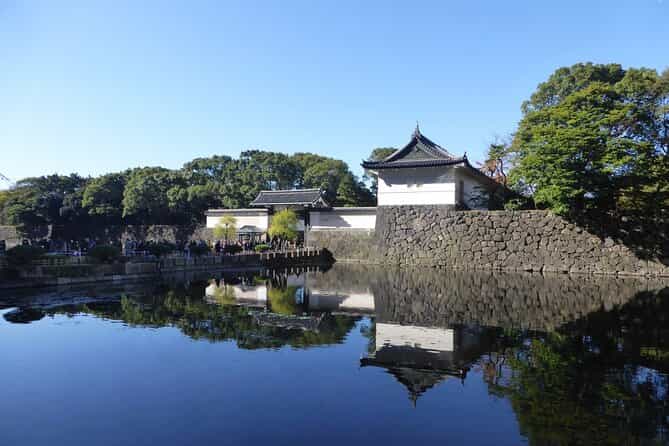
In the heart of Tokyo, behind stone walls, lies the Imperial Palace—the primary residence of Japan’s royal family. Built on the site of Edo Castle, this sacred complex bridges the past and present. Though the inner palace remains private, guided tours and garden visits offer a rare opportunity to explore this majestic landmark up close.
12.1. Imperial Palace Guided Tour Details
Guided walking tours are available to the public (in Japanese, with multilingual audio support). These offer an insightful journey through the palace grounds, blending architecture, history, and serene surroundings.
12.2. Exploring the East Gardens
Unlike the inner palace, the East Gardens are open to the public year-round and sit atop the original Edo Castle's inner citadel. They are an oasis of calm and a must-visit for lovers of Japanese landscaping and heritage.
East Garden Highlights:
- Remnants of castle stone walls and foundations
- The elegant Ninomaru Garden, designed in a traditional Japanese style
- Seasonal plantings including irises, azaleas, and cherry blossoms
Seasonal Opening Hours:
- March–April: 9:00 AM – 5:00 PM
- April–August: 9:00 AM – 6:00 PM
- September: 9:00 AM – 5:00 PM
- October: 9:00 AM – 4:30 PM
- November–February: 9:00 AM – 4:00 PM
Note: Last entry is typically 30 minutes before closing.
13. Shop in Style: Discover the Allure of Trendy Ginza

Ginza is Tokyo’s most glamorous shopping district, where global luxury brands stand beside centuries-old Japanese skill. Ginza is known not just for what you can buy in Japan, but how beautifully it’s all presented.
Living in Japan, you quickly learn that Ginza is as much about atmosphere as it is about fashion—bustling by day, glowing by night, and always refined in every detail.
13.1. Luxury Shopping: A Curated World of Design
GINZA SIX
- Home to over 240 stores, this is Ginza’s flagship for high-end fashion and design.
- Browse OMEGA watches, GUCCI and COACH leather goods, and carefully curated Japanese brands.
- Japanese skincare from brands like SK-II, Shiseido, and THREE.
- Don’t miss the art installations and rooftop garden, a peaceful retreat above the bustle.
13.2. Department Stores: Tradition Meets Contemporary Retail
- Matsuya Ginza
- Founded over 100 years ago, Matsuya offers a refined selection of designer fashion, accessories, and Japanese textiles.
- Known for its elegant interior and impeccable service.
- Ginza Mitsukoshi
- A 12-story landmark, originally opened in 1930, it continues to be a pinnacle of Japanese luxury retail.
- Explore the basement depachika (food halls) for regional delicacies from across Japan—perfect for souvenir shopping or an elegant bento lunch.
14. Experience Sumo Culture in Tokyo’s Ryogoku

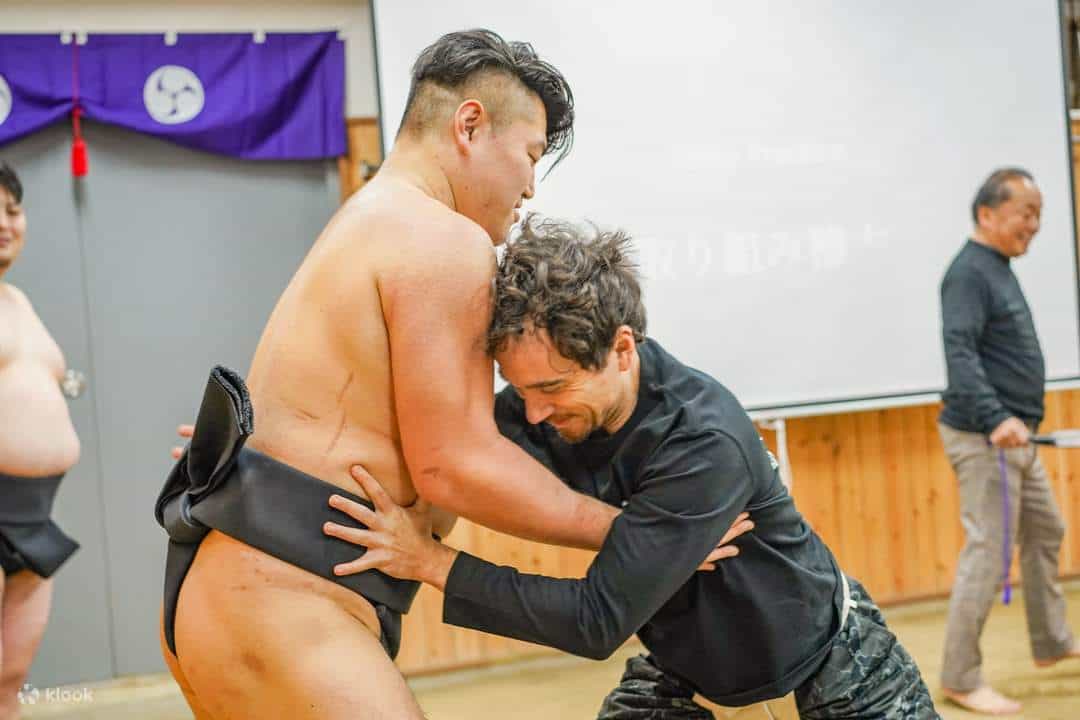
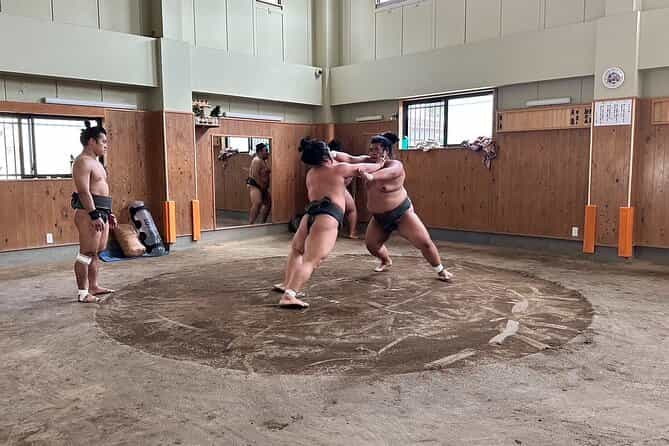
Rooted in Shinto ritual and shaped over centuries, Japanese sumo reflects the spirit of Japan as few things can. And in Tokyo’s Ryogoku district, visitors can step directly into this living legacy.
Whether you’re attending a match or observing a quiet morning practice, every encounter with sumo offers a glimpse into the dedication, honor, and ceremony behind this uniquely Japanese spectacle.
14.1. Attend a Grand Tournament (Basho)
Tokyo hosts three major sumo tournaments each year—known as basho—held at the iconic Ryogoku Kokugikan Sumo Hall:
Annual Tournament Months
- January
- May
- September
Sumo Event Details
- Each basho runs for 15 days.
- Matches take place daily from morning, but the most important bouts begin around 4:00 PM and conclude by 6:00 PM.
- Peak excitement builds in the final days, as top-ranked wrestlers face off.
➡️ Book tickets for a Tokyo Sumo Tournament - 2025 (opens in new tab)
15. Ascend to the Skies at Tokyo Skytree

At 634 meters (opens in new tab), Tokyo Skytree is unmissable in Tokyo’s skyline. Built as both a broadcasting tower and a sightseeing destination, Skytree is more than just tall—it’s a symbol of how far Japan has come while never losing sight of the sky. From its soaring observation decks to the cultural buzz below, a visit here offers sweeping views.
15.1. Observation Decks: See Tokyo from Above
Tokyo Skytree offers two main observation platforms, each giving you a new perspective of the capital’s vast sprawl.
- Tembo Deck (350 meters):
- Spans three floors with panoramic glass walls revealing Tokyo’s layers—from ancient neighborhoods to glittering skyscrapers.
- On Floor 340, step onto a glass floor panel and feel the exhilarating height beneath your feet.
- A 255° wraparound screen shows timelapse footage of Tokyo day and night—magical at twilight.
- Tembo Galleria (450 meters):
- A gently ascending glass corridor in the sky, often called the “Skywalk”.
- Feels like walking into the clouds with the cityscape spiraling below you.
- Tickets:
- Tembo Deck only: ¥2,100 (regular weekdays)
- Full Access Pass (both decks): ¥3,100
- Purchase Skytree tickets here through through our Klook affiliate link. (opens in new tab)
15.2. Visitor Info & Tips
- Hours: Open daily from 10:00 AM – 10:00 PM (last entry: 9:00 PM)
- Recommended Visit Duration: Allow at least 3 hours to fully enjoy the decks and Solamachi.
- Official App: Download ahead for floor maps, queue updates, and bonus digital content.
- Best Visibility: Visit in winter for the clearest views, often stretching as far as Mount Fuji.
16. Discover Yanaka Ginza: A Stroll Through Old Tokyo

Often seen as an alternative to the crowded Tokyo areas, Yanaka Ginza feels like a gentle pause—a narrow, 170-meter street where Tokyo’s Showa-era spirit lives on. Remarkably untouched by earthquakes and war, this nostalgic neighborhood is lined with over 60 family-run shops, artisan studios, and food stalls that echo with the rhythm of daily life.
16.1. Local Shopping: Crafted with Heart
Yanaka Ginza is perfect for slow shopping—where each storefront invites conversation, curiosity, and discovery.
- Yanaka Kenshindo
- Offers traditional Japanese goods created by local craftspeople—ideal for meaningful souvenirs and home decor.
- Midori-ya
- Specializes in bamboo items, from delicate chopsticks to hand-carved bookmarks. Their work combines simplicity with lasting elegance.
- Kokuu
- A shop of artful objects and decorative pieces, blending minimalist design with Japanese symbolism. Many items are made in-house.
- Himitsudo
- A cult favorite for kakigori (shaved ice) made with pure mountain spring water from Nikko and topped with seasonal syrups—best enjoyed in the warmer months.

16.2. Historical Sites to Explore
Beyond the shops, Yanaka offers quiet pockets of history, where the past lingers in quiet corners and moss-covered stones.
- Yuyake Dandan
- A famous staircase offering sunset views over the rooftops—its name means “Sunset Steps,” and the glow here is golden.
- Tennoji Temple
- Established in 1274, this serene temple features a large bronze Buddha and a peaceful garden—perfect for reflection.
- Yanaka Cemetery
- Home to over 7,000 graves, including that of Tokugawa Yoshinobu, the last shogun of Japan. The peaceful paths are especially beautiful during cherry blossom season.
16.3. Yanaka Ginza Tours
17. Explore Shimokitazawa: Tokyo’s Bohemian Hideaway
Shimokitazawa is a pocket-sized neighborhood, which is a haven for creatives, vintage lovers, and café dwellers. Lanes twist past record stores, thrift boutiques, and tiny cafes, each with a personality as unique as the people who fill them.
Shimokitazawa is not flashy or loud. It’s intimate, expressive, and quietly cool—a place where old storefronts meet indie spirit and youth culture reinvents itself every afternoon.
17.1. Vintage Shopping: Finding Stories in Every Stitch
Shimokita is a treasure trove of pre-loved fashion and curated style, where every hanger holds a story and every store feels like a secret waiting to be shared.
- Toyo Department Store
- Set inside a converted parking structure, this space hosts 20 individual boutiques offering vintage Japanese, American, and European clothing.
- Expect racks of authentic Showa-era jackets, worn Levi’s, and hand-selected streetwear.
- New York Joe Exchange
- Housed in a former bathhouse, this local legend rotates stock daily.
- Visit on the first Sunday of the month for their half-price sale—a favorite among savvy fashion hunters.
- Other Favorites:
- Stick Out, Flamingo, and Haight & Ashbury—all offering everything from bold 70s patterns to minimalist retro basics.
17.2. Discover Shimokitazawa Through a Tour
18. Visit the Ghibli Museum: A Journey into Miyazaki’s Imagination
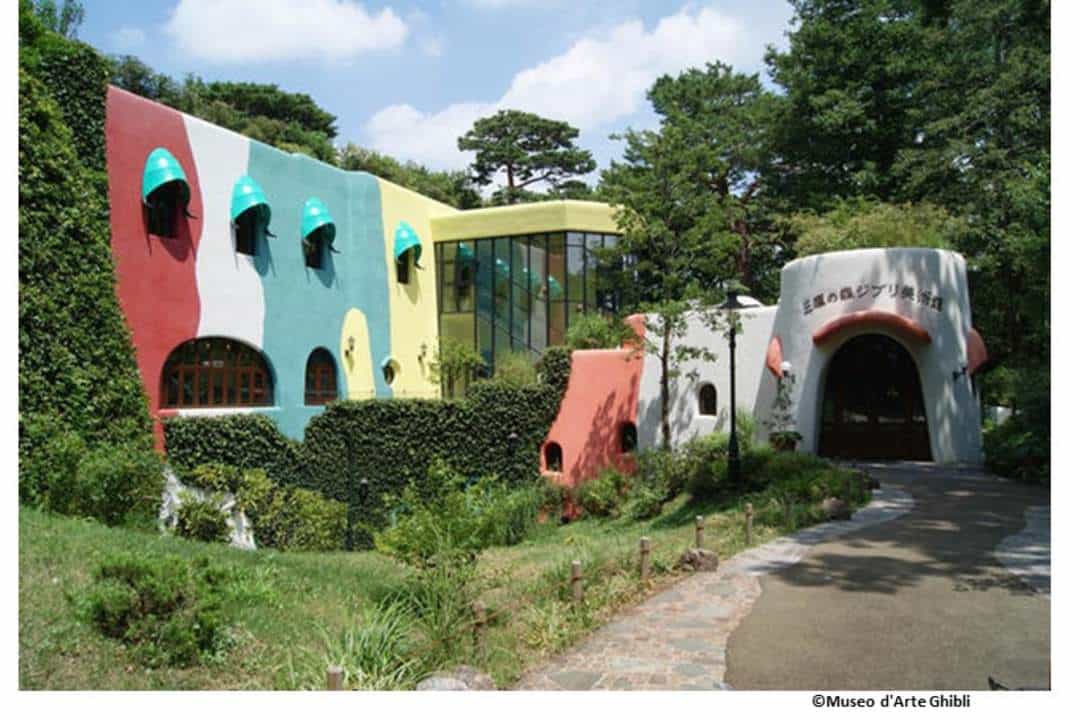
Hidden in the leafy suburb of Mitaka, the Ghibli Museum is more than a gallery—it’s a storybook come to life. Designed under the guidance of Hayao Miyazaki, every hallway, staircase, and stained-glass window whispers with the spirit of wonder that defines Studio Ghibli’s films.
18.1. What Awaits Inside the Ghibli Museum
Photography is not allowed inside the museum—a choice that preserves its atmosphere of discovery and quiet magic. But here’s what you’ll find:
- Exhibition Rooms:
- Five permanent galleries explore the artistic process behind Ghibli films, including animator sketches and storyboards.
- Saturn Theater:
- An in-house cinema playing exclusive short films, viewable only by museum visitors. These shorts rotate monthly.
- The Catbus Room:
- Children 12 and under can climb aboard the plush Catbus from My Neighbor Totoro.
- Artist’s Atelier:
- A recreated studio space, filled with brushes, paints, and tools, letting you peek into the working world of a Ghibli animator.
18.2. How to Get Tickets
Due to its popularity and intimate scale, advance tickets are essential. Two main options exist:
- ➡️ Lawson Ticket Portal (opens in new tab) (Japan residents or travelers with Japanese payment methods):
- Sales begin on the 10th of each month at 10:00 AM (JST).
- Ticket Prices:
- Adults (19+): ¥1,000
- Ages 13–18: ¥700
- Ages 7–12: ¥400
- Ages 4–6: ¥100
18.3. Visitor Info at a Glance
- Hours: 10:00 AM – 6:00 PM
- Closed: Every Tuesday and on scheduled maintenance days
- Access: A 15-minute walk from Mitaka Station or short ride on the Ghibli community bus
19. Experience Golden Gai: Tokyo’s Nighttime Time Capsule

Tucked behind the neon chaos of Shinjuku, Golden Gai offers a rare glimpse into postwar Tokyo—a network of six narrow alleys lined with over 200 tiny bars, each with its own personality, history, and local patrons. For those seeking an authentic, intimate taste of Tokyo after dark, Golden Gai is an experience I recommend.
19.1. Bar Hopping in Golden Gai
Each bar in Golden Gai seats just a handful of people—usually 4 to 6 at most—creating a cozy, conversational vibe that’s hard to find elsewhere.
Here are a few notable and visitor-friendly stops:
- Albatross
- A blend of Gothic elegance and retro glamour, spread across multiple floors with a rooftop terrace.
- Cover charge: ¥500, includes light snacks.
- La Jetée
- A favorite among film lovers, named after the French classic and featured in Tokyo Ga.
- Decorated with vintage movie posters and a quiet, moody atmosphere.
- 🧸 Deathmatch in Hell
- As chaotic and quirky as its name implies—creepy dolls, punk posters, and a soundtrack of noise and metal.
- A one-of-a-kind bar for the bold and curious.
- Bar Plastic Model
- Nostalgia-laden with 80s and 90s memorabilia, from toys to VHS tapes—like a time capsule for pop culture fans.
19.2. Golden Gai Etiquette & Tips for First-Time Visitors
To enjoy Golden Gai in the spirit it was built—with quiet respect and curiosity—keep these local customs in mind:
- Cover Charges:
- Most bars charge ¥500–¥1,000 per person (cash preferred).
- Best Time to Arrive:
- Bars typically open between 8:00–9:00 PM.
- Early visits are quieter and more welcoming to newcomers.
- Group Size:
- Visit in small groups (1–2 people) to ensure entry—most bars can’t accommodate large parties.
- Payment Tips:
- Bring cash, as many bars do not accept credit cards.
19.3. Tours You Can Take Around the Golden Gai
20. Visit Tokyo DisneySea: A Journey Through Fantasy and the Sea

From the moment I entered Tokyo DisneySea, I realized this park wasn’t just for children—it was a love letter to exploration, storytelling, and imagination. Unlike any other Disney park in the world, DisneySea draws inspiration from the mysteries of the ocean and the romance of adventure, blending elegance with wonder in every detail.
- ⏰ Opening Hours: Usually 9:00 AM – 9:00 PM (subject to seasonal changes)
- ➡️ Tickets: Purchase DisneySea tickets online with Klook (opens in new tab)
20.1. One-of-a-Kind Attractions
Every "port" in DisneySea tells a different story—from ancient mythologies to cutting-edge fantasy. Here's what not to miss:
- Journey to the Center of the Earth
- Hidden beneath Mount Prometheus, this thrilling attraction mixes steam-punk style with surprises deep underground.
- Fortress Explorations (Mediterranean Harbor)
- Step into a Renaissance-style citadel, where interactive exhibits let guests explore ancient maps, telescopes, and secret chambers.
- Fantasy Springs (New Area)
- The newest expansion brings Frozen, Peter Pan, and Tangled to life with breathtaking realism.
20.2. Fast Pass & Ride Strategy with Premier Access
To make the most of your visit, the Tokyo Disney Resort App is your best companion. It allows you to monitor wait times, mobile order meals, and book Premier Access—a paid system that lets you skip the lines for top attractions.
- Premier Access Pricing:
- Costs between ¥1,500–¥2,000 per ride, depending on date and demand.
- Premier Access is available for:
- Soaring: Fantastic Flight – a flight simulation across the globe with poetic visuals.
- Tower of Terror – a chilling (but thrilling) drop ride set in a cursed New York hotel.
- Journey to the Center of the Earth – for those wanting to skip the standard line and dive straight into the volcano.
- Free Options Still Exist:
- Disney’s free Standby Passes and virtual queue features may be available for popular rides on select days.
FAQs
When is the best time to visit Tokyo?
The best times to visit Tokyo are spring (March–May) and autumn (September–November). Cherry blossoms in spring and colorful leaves in fall create beautiful backdrops for exploring. The weather is mild, and major festivals often take place during these seasons. Summer can be hot and humid, while winter is crisp but generally dry.
Is Tokyo safe for solo travelers?
Yes—Tokyo is one of the safest cities in the world, even for solo travelers. Crime rates are low, and public transportation is reliable and well-lit. As always, stay aware of your surroundings, especially in crowded areas like Shinjuku or Shibuya. Locals are generally kind and helpful if you ever need assistance.
Do I need to speak Japanese to enjoy Tokyo?
You can absolutely enjoy Tokyo without speaking Japanese. Many signs, menus, and transit announcements are available in English. Still, learning a few simple phrases like arigatou (thank you) and sumimasen (excuse me) goes a long way. People appreciate the effort, and translation apps help fill in the gaps.
What’s the best way to get around Tokyo?
The easiest way to get around Tokyo is by using the train and subway system, especially the JR Yamanote Line. It’s clean, punctual, and connects most major neighborhoods. Get a Suica or Pasmo IC card for convenient tap-and-go travel. Google Maps or Japan Travel apps can help you navigate routes easily.
How many days should I spend in Tokyo?
Ideally, spend at least 4 to 6 days in Tokyo to explore its different sides—historic temples, modern attractions, and unique neighborhoods. Each area offers something distinct, from Asakusa’s traditions to Shimokitazawa’s indie charm. If you have more time, day trips to places like Nikko or Hakone are well worth it.
Loading Comments...