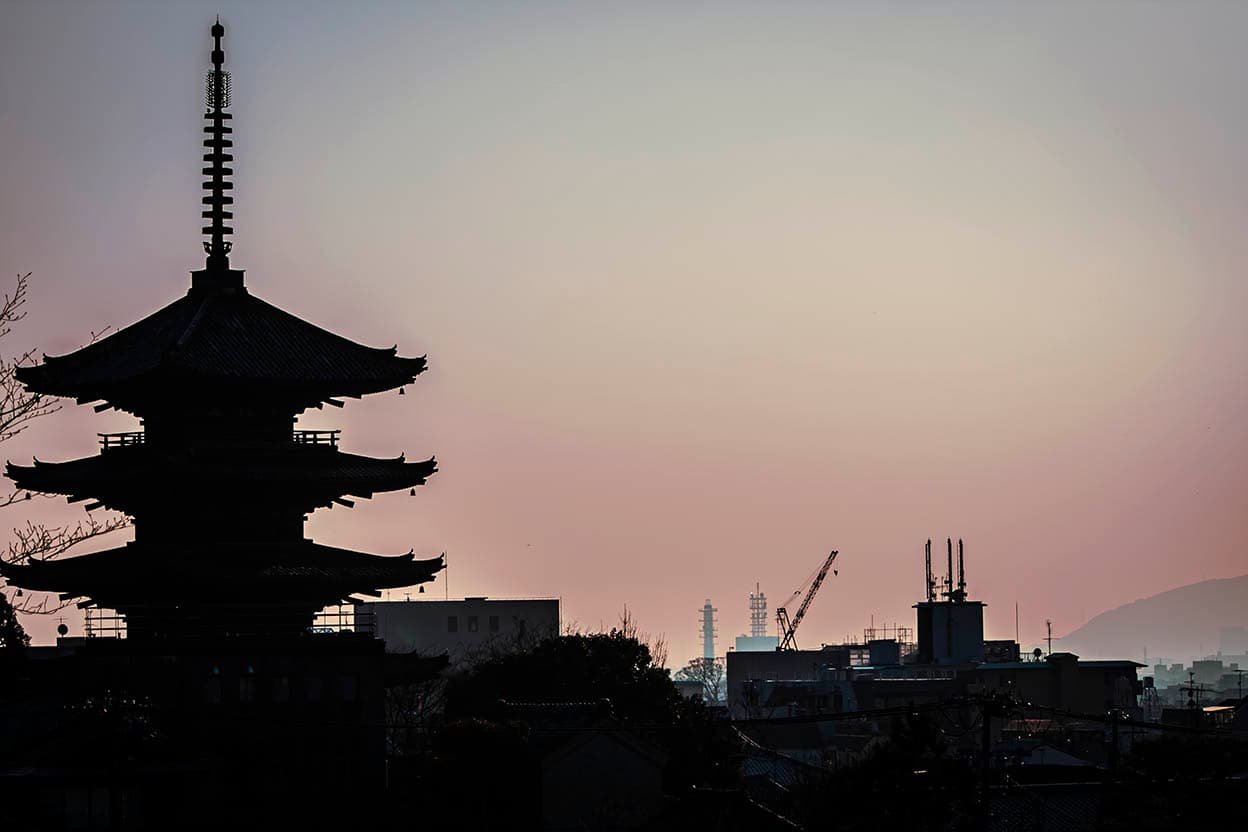
I recommend a minimum 3 day itinerary in Kyoto city. Some people think that they can do Kyoto in a day or two. Well, I’ve lived in Kyoto for many years, and I can confirm that this is a city you need to experience slowly.
With 1,600 temples, 400 shrines, and 17 UNESCO World Heritage sites scattered across the city, Kyoto has a lot to see.
This Kyoto travel guide gives you the best insider’s knowledge on what to see and do in Kyoto for 3 days. I’ll make sure that you visit the must-see sites of Kyoto without wasting your time on unnecessary travel between spots.

1. An Itinerary Summary: Is 3 Days in Kyoto Enough?
Yes, a 3 day Kyoto itinerary gives you enough time to see the most famous sightseeing spots. Here is a breakdown of those spots over three days (read further for detailed itinerary).
2. Best Time to Follow This Kyoto 3-Day Itinerary
- Spring (March–May): Cherry blossoms (peak late March–early April) line the Kamogawa River and surround temples and shrines. Mild temperature means that the weather is most pleasant in spring.
- Summer (June–Aug): Best time to experience local festivals (e.g., Gion Festival). However, the hot and humid weather can become hard to deal with (avoid July–Aug if possible).
- Fall (Sept–Nov): Vibrant autumn leaves from mid-November is an amazing way to experience Kyoto. Temples and shrines look amazing at this time and the weather is mild and pleasant.
- Winter (Dec–Feb): Kyoto can get very cold. But this is also a great time to experience Kyoto because of the low tourist numbers, which means peaceful temple visits are possible.
Before you plan your trip, think about checking out our article about the best time to visit to Japan.
 AI Travel Planner
Planning a trip
to Kyoto?
Get a free personalised itinerary, up to 7-days, built around your dates, group and interests. Created by Kyoto locals with 30+ years in Japan.
3. Kyoto Itinerary Day 1: Essential Temples & Historic Walks
This is the Eastern Kyoto temple route. I recommend that all my friends take this route on their first day in Kyoto. You do not need to take any public transport because all temples are within walking distance from each other.

3.1. 9am-11am: Sanjusangen-do
- 9am: Start your morning at Sanjusangen-do, renowned for its 1,001 statues of Kannon. Even after 30 years (my first visit was in 1992), the atmosphere still amazes me.
- 10am: Take your time walking through the long wooden hall; each statue has unique features. Soak in the solemn ambiance before heading out.

3.2. 12pm-3pm: Kiyomizu-dera Temple
- 12pm: Arrive at Kiyomizu-dera, one of Kyoto’s most iconic temples. The wooden stage offers panoramic city views.
- 1pm: Explore Sannenzaka and Ninenzaka, the cobblestone slopes lined with traditional shops and cafés—perfect for souvenirs or a quick matcha break.
- 2pm: Be prepared for crowds; Kiyomizu-dera Temple is often packed. If you need a break, duck into a side alley for a quieter stroll.

3.3. 3pm-5pm: Kennin-ji Temple
- 3pm: Continue to Kennin-ji, Kyoto’s oldest Zen Buddhist temple.
- 4pm: Unwind in the tranquil rock gardens—great for a contemplative break after a day of walking.
3.4. 6pm-9pm: Downtown Kyoto – Dinner & Drinks
- 6pm: Head to Pontocho (先斗町), a narrow alley filled with hidden restaurants and buzzing izakayas.
- 7pm: Sample yakitori (charcoal-grilled skewers) or fresh sashimi at one of the small local joints.
- 8pm: Finish with a gentle stroll through Gion’s lantern-lit backstreets. If you’re lucky, you might catch a glimpse of a geiko (芸妓) or maiko (舞妓) before they slip away into a teahouse.
4. Kyoto Itinerary Day 2: Western Kyoto Adventures
Western Kyoto feels like stepping into rural Japan, with its bamboo forests and peaceful temples. The Otokuni district, once Japan's ancient capital during the Nara period, offers a completely different atmosphere from the busy eastern areas.

4.1. 7am-12pm: Arashiyama morning strategy
- 7am: Catch a quick train from JR Kyoto Station to Arashiyama Station (嵐山駅).
- 8am: Slip behind Tenryuji into the Bamboo Grove, a short but iconic path of towering bamboo. Mornings are your best bet to avoid midday crowds.
- 9am: Enter Tenryuji Temple (天龍寺) right when it opens (8:30am) to wander its peaceful Zen garden crowd-free.
- 9:30am: Stroll across the historic Togetsukyo Bridge (渡月橋), a wooden landmark spanning the Katsura River.
- 10am: Tackle the Monkey Park Iwatayama climb—20 minutes uphill, but gorgeous views (and playful monkeys) at the top.

4.2. 1pm-3pm: Kinkaku-ji Temple (the Golden Pavilion)
- 1pm: Taxi or bus from Arashiyama to Kinkaku-ji Temple (金閣寺).
- 1:30pm: Pay the 400-yen fee and head to the Mirror Pond for that famous reflection shot of the golden pavilion.
- 2pm: Grab a matcha green tea at the small teahouse near the exit if you need a pick-me-up.

4.3. 6pm-8pm: Taihou Ramen on Kiyamachi
Taihou Ramen (大豊ラーメン) (cost ¥1,000 – ¥2,000) is a well-known Kyoto ramen restaurant. This restaurant looks run down, but the food is amazing! It has a master stock that cooks 24-7 and, so the ramen here is to die for. They also serve gyoza dumplings made fresh in front of you.

4.4. 8pm-10pm: Rock Bar ING on Kiyamachi
A cross the small stream that flows down Kiyamachi Street is Rock Bar ING. This place is a rock ‘n’ roll dive bar that is considered a Kyoto late night institute. A trip to Kyoto is not complete without a visit to ING! Just speak to Hako-san and tell him that 'Aussie James sent you.
5. Kyoto Itinerary Day 3: Famous Shrines
Your final day blends Kyoto's iconic spots with some personal favorites I've discovered over the years. Let me share some secrets about timing and hidden corners that most guidebooks miss.

5.1. 6am-9am: Early morning at Fushimi Inari
- 6am: Arrive at Fushimi Inari Shrine (伏見稲荷大社) early – this is the best time to explore the red torii gates without the crowds.
- 7am: Hike up to Yotsutsuji Intersection (about 30–40 minutes) for a panoramic view of Kyoto.
- 8am: Continue up the mountain for a quieter trail, or head back down to grab a quick breakfast from local food stalls.

5.2. 10am-1pm: Heian Jingu Shrine
- 10am: Travel north to Heian Jingu Shrine (平安神宮). You’ll recognize it instantly by its massive red torii gate towering over the approach.
- 11:00am: Explore the wide courtyard and the stunning main buildings—built in 1895 to commemorate Kyoto’s 1100th anniversary.
- 12am: If time allows, stroll the Heian Jingu Garden behind the shrine (small entrance fee). Seasonal flowers, ponds, and picturesque bridges make it a peaceful retreat.

5.3. 2pm-6pm: Final afternoon experience
After you have finished with Heian Shrine, my advice is to wander down to Kamogawa (鴨川) River. It is about a 15-minute walk from the shrine.
Kamogawa River is honestly one of my favorite places in Kyoto city. It is the main artery pumping life through Kyoto. In spring, it is lined with cherry blossoms. In the fall, it is covered in red and yellow leaves. Even in winter, its baron chill has a beautiful charm. Take a stroll down Kamogawa and find out why locals love Kyoto.
6. Where to Stay in Kyoto?
6.1. Hotels Around the Kyoto Station Area
Affiliate link
Affiliate link
Affiliate link
6.2. Gion and Higashiyama: Japanese Inn & Ryokan
Affiliate link
Affiliate link
Affiliate link
6.3. Recommended Kyoto Downtown Hotels
Affiliate link
Affiliate link
Affiliate link
7. How to Get Around Kyoto: Best Transportation Passes & Travel Tips
7.1. Tokyo to Kyoto: Fastest & Cheapest Ways to Travel
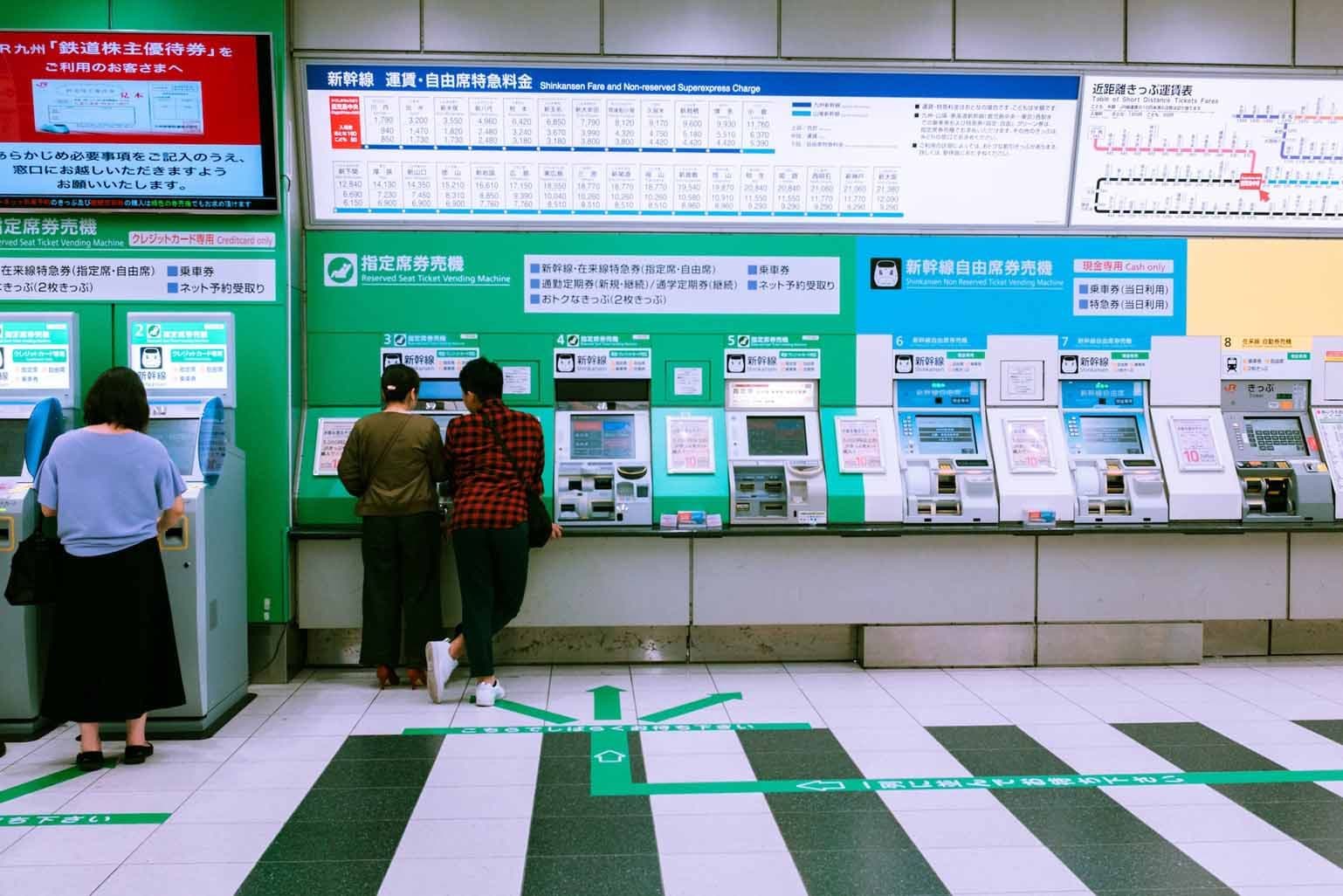
- The fastest and most comfortable way to reach Kyoto is by taking the Shinkansen (bullet train).
- Travel time: 2 hours 15 minutes (via Nozomi), 2 hours 40 minutes (via Hikari)
Cost: ~¥13,320 one-way
7.2. How to Reach Kyoto’s Top Attractions from Kyoto Station
- Kyoto has a simple yet efficient public transport network. You can buy an Icoca IC prepaid card or use a Suica card.
- Grab a Kyoto One-Day Bus & Subway Pass (¥1,100) for unlimited city bus and subway rides in one day.
- Here’s a quick cheat sheet on the best ways to reach Kyoto’s must-see spots:
8. Kyoto Travel Tips: What to Know Before You Go
- Temples often close by 17:00 (some as early as 16:30).
- Arrive at popular spots (Fushimi Inari, Arashiyama) by 6:00–7:00 AM.
- Avoid weekends/national holidays at major temples and shrines if possible.
- Use a one-day bus/subway pass for convenience.
- Use Google Maps to help you get around.
- Watch out for Monday closures!
- Remember many places close for New Year (お正月 - oshōgatsu) from December 29 to January 3
- Get your SIM card sorted in advance!
9. Japan Rail Pass Call-to-Action (CTA) for Affiliate Link
Travel Japan Smarter with a Japan Rail Pass!
Planning to explore Kyoto and beyond? The Japan Rail Pass is the most cost-effective way to travel across Japan by Shinkansen, local trains, and even some buses and ferries.
Why Get a JR Pass?
✅ Unlimited Rides on JR trains, including the Shinkansen (except Nozomi & Mizuho).
✅ Huge Savings compared to buying individual tickets.
✅ Convenience – No need to buy separate train tickets every time!
🎟️ Book your Japan Rail Pass in advance and save time on your trip! Click below to check prices and purchase securely:
👉 Get Your Japan Rail Pass Here (opens in new tab)
FAQs
How many days should I spend in Kyoto?
3 to 4 days is the sweet spot! With 3 days, you can explore Kyoto’s must-see temples, shrines, and hidden gems without rushing. If you want to take it slow, visit off-the-beaten-path places, or take a day trip to Nara, 4 days is even better!
What’s the best way to get around Kyoto?
Subway & buses are the best for sightseeing. Buy a one-day bus & subway pass to save money. Taxis are great for short distances if you're tired or traveling in a group. Walking is best in areas like Gion & Higashiyama—you’ll see more and avoid traffic.
When is the best time to visit Kyoto?
🌸 Spring (March-April): Cherry blossoms make the city look magical. 🍁 Fall (October-November): The autumn leaves are stunning, especially in temples. 🔥 Summer (July-August): Kyoto gets HOT (40°C/104°F!)—avoid if you don’t like humidity. ❄️ Winter (December-February): Quiet, peaceful, and sometimes snow-covered temples.
Is Kyoto easy to walk around?
Yes! Kyoto is one of Japan’s most walkable cities. The best spots—Gion, Pontocho, Kiyomizu-dera, and the Philosopher’s Path—are best explored on foot. Just wear comfortable shoes because Kyoto has lots of hills!
How can I avoid crowds in Kyoto?
⏰ Go early! Arrive at Fushimi Inari, Kiyomizu-dera, or Arashiyama before 7 AM to beat the crowds. 📅 Avoid weekends & holidays—temples get packed. 🚶 Explore side streets—Kyoto has hidden alleys with fewer tourists.
Loading Comments...