Kuromon Market hits you immediately. The smell arrives first: salt-grilled squid, fresh fish on ice, the sharp tang of ponzu sauce mixing with charcoal smoke. Then the sound. Vendors calling out the day's catch, the snap of takoyaki balls hitting a tray, the rhythmic chop of knives on wood. The light is low under the covered arcade, and it's packed. People holding wooden skewers, peering into glass cases, moving slowly through the 580-meter corridor of seafood stalls, butchers, egg specialists, and kitchen supply shops.
This is Kuromon Market, Osaka's most famous food destination and the place locals call "Osaka no Daidokoro" (大阪の大所 - Osaka's Kitchen). It's changed in recent years. The crowds are real, and the prices reflect tourist demand. But it's still one of the best food experiences in Japan if you know when to go, what to order, and what to skip.

What Is Kuromon Market? History and Local Significance
From 200-Year-Old Buddhist Temple Market to Osaka's Kitchen
Kuromon Market started in the early 1800s near the Enmyo-ji Temple in central Osaka. The name comes from the black gate (黒門 - kuromon, literally means "black gate") that once stood at the market's entrance.
For two centuries it functioned as a wholesale food hub supplying professional chefs, traditional restaurants, and local households with the day's fresh catch and produce. The fishmongers who work there today are often third or fourth generation, and their supply lines run back to Osaka's deep-water fish markets.
The market's structure is a covered shotengai (商店街 - a traditional Japanese shopping arcade). Approximately 180 shops operate under one roof, creating the narrow, intimate corridor. The place has a high-energy atmosphere that makes it feel more like a proper working market than a heritage attraction.
For broader context on how Kuromon fits into the city, the best things to do in Osaka guide is worth reading before you plan your trip.

How Kuromon Became a Tourist Hotspot (And What That Means for You)
After 2010, international tourism to Japan spiked. Osaka's image shifted from industrial city to cultural destination. What was once primarily a wholesaler's market and a local shopping destination transformed into one of Japan's most photographed food experiences.
The vendor mix shifted accordingly. Many stalls that sold bulk supplies to restaurants 15 years ago now sell individual portions to tourists. Packaging became more elaborate, prices rose, and some vendors have clearly optimized for the camera angle and the one-time customer. But the supply chain hasn't changed. The fish vendors are still buying from Osaka's wholesale markets. The standards for freshness are unchanged. Locals never stopped shopping here alongside tourists, which is what keeps the quality intact.
Kuromon is now a hybrid space. Tourist-friendly, yes. Heavily marketed, definitely. But still feeding real Osaka residents who know what they're looking for.
For a wider look at how overtourism is reshaping Japan's most visited spots, including markets like this one, the overtourism pressures in Japan piece gives useful context.

When to Visit Kuromon Market: Timing Makes a Real Difference
The Early Morning Advantage: Before 9am
Arrive before 9am and you'll see a different market. The wholesale customers are still there, restaurant chefs, home cooks, the people who treat Kuromon as a utility rather than a destination.
Some fishmongers start setting up at 8am, and the energy is quieter and more functional. You'll see vendors hosing down stalls, arranging overnight deliveries, and moving stock. The crowd is sparse, the air is cooler, and the atmosphere is as close to the original working market as you're going to get on a tourist schedule.
The trade-off is that some tourist-facing food stalls don't open until 9am. You won't get the full line-up experience. But you will get the market itself, which is arguably the better deal. To understand how crowd levels in Japan track with the calendar, the best time to visit Japan guide covers seasonal patterns across the country.
Peak Hours to Avoid
9am to 11am is the sweet spot for most visitors. Enough stalls are open, the crowds haven't hit their peak, and you can move without constant contact with other people. This is when the kuromon market osaka guide experience works best: atmosphere and accessibility at the same time.
After 11am on weekends and public holidays, Kuromon becomes shoulder-to-shoulder. Popular stalls develop queues of 30 or more people. The arcade becomes a single-direction flow and eating space vanishes. Vendors move fast, sometimes cutting corners on explanations because they're serving 40 people in a queue. The product doesn't change, but the experience degrades significantly.
Weekdays are noticeably quieter across the board. Wednesday is often the quietest day, though tour groups still appear. If your schedule allows a weekday visit, take it.

Best Days and Seasonal Considerations
Friday through Sunday afternoons are peak at Kuromon. Golden Week (late April), Obon (mid-August), and cherry blossom season (early April) draw particularly heavy crowds. If your trip falls during these periods and Kuromon is on your list, go at 8:30am or plan a weekday morning visit instead.
Sundays can be tricky because roughly 10 to 15 percent of vendors close, particularly smaller family-run shops. The main stalls stay open, but if you're hoping to visit a specific vendor, check ahead via Google Maps or a quick phone call. English-speaking vendors are increasingly common at the busier stalls.
The Kuromon Ichiba Market official website (opens in new tab) lists current opening hours and a vendor map, and it's worth a check before you go.
How to Get to Kuromon Market
By Subway: Nearest Stations and Walking Directions
The closest station is Nippombashi on the Sakaisuji Line or Sennichimae Line. Exit 10 puts you roughly one minute's walk from the market entrance. This is the most direct route if you're already in central Osaka.
The market's address is 2-chome Nipponbashi, Chuo Ward, Osaka. Entering this into Google Maps and selecting Directions will give you accurate platform numbers and real-time connection times. The Osaka subway is straightforward to navigate if you have a working prepaid IC card such as Suica or ICOCA, which you can pick up at any major train station or the airport on arrival.

From Dotonbori, Namba, and Shinsaibashi
Kuromon is also walkable from other major Osaka districts. From Namba Station, it's approximately eight minutes on foot heading northeast. From Shinsaibashi Shopping Street, it's about 15 minutes, heading toward the river and following signs toward Nippombashi. These walks pass through residential areas worth seeing in their own right.
If you're using an IC card for transport, you'll pay the same fare regardless of distance, which sometimes makes walking the more interesting option.
From Kyoto or Other Cities
If you're coming from Kyoto, the Kintetsu Limited Express to Namba takes approximately 45 minutes and is often cheaper than the Shinkansen. From Namba Station, follow the subway directions above.
If you're considering a JR Pass for a multi-city trip, calculate whether the pass actually pays for itself before committing. A single round-trip Shinkansen between Tokyo and Kyoto plus Kyoto to Osaka may cost less than a 7-day JR Pass (opens in new tab) depending on your exact itinerary. The 7-day Japan itinerary guide includes a section on transport costs that helps with this calculation.

What to Eat at Kuromon Market: The Honest Must-Try List
Fresh Seafood: Uni, Oysters, Tuna, and Snow Crab
This is what Kuromon is built on. The seafood is genuinely excellent because it's sourced from Osaka's wholesale market, which receives daily deliveries from Japan's major fishing ports.
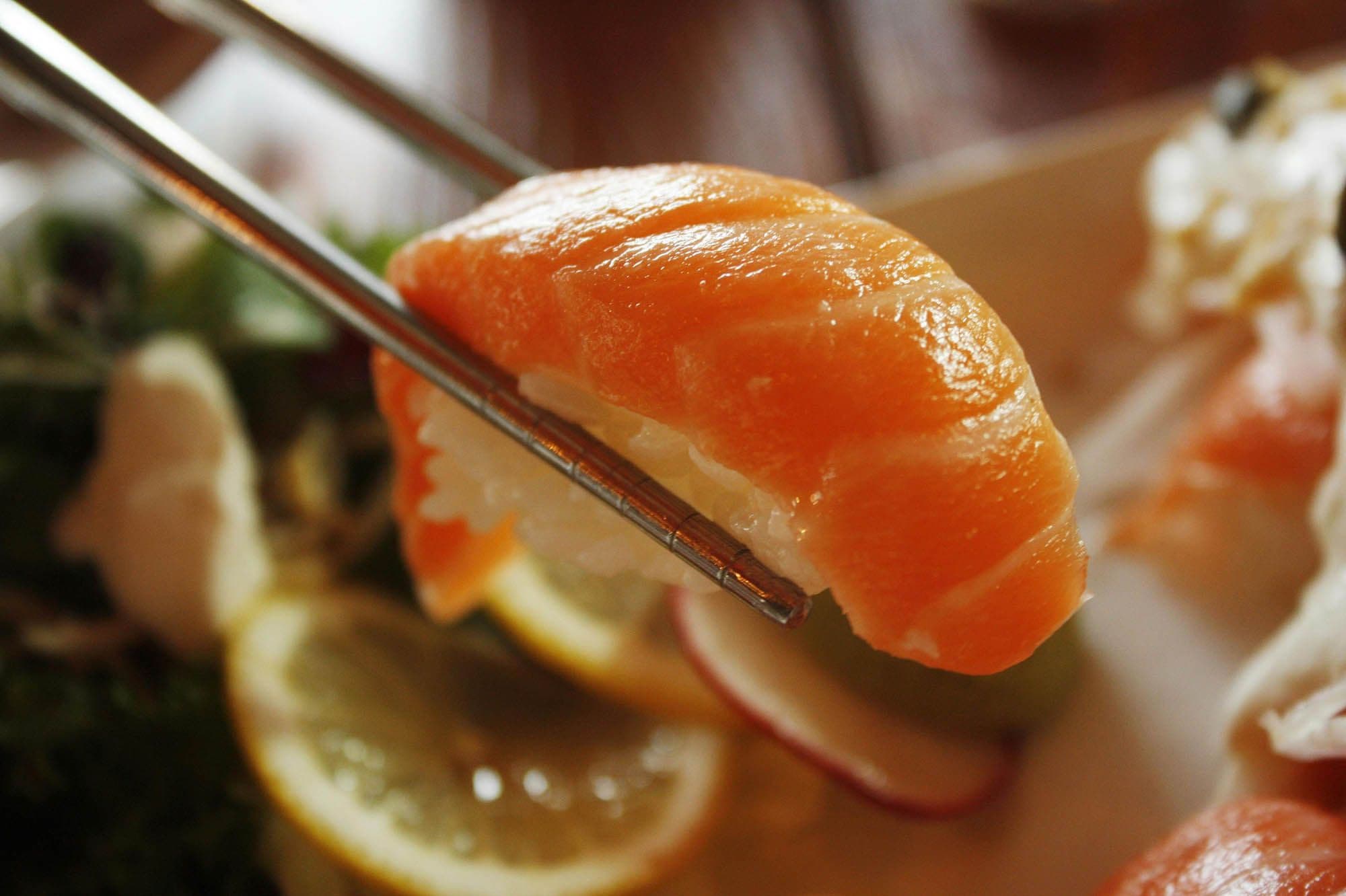
Uni (sea urchin) on sushi rice is the marquee item. Expect to pay ¥1,000 to ¥2,000 per serving depending on grade and season. Peak uni season runs November through May, and the colour and sweetness are noticeably better during these months. The vendor hands you a small wooden paddle with uni already placed on rice. Eat it standing there, within about 30 seconds if possible. Whether it's worth the premium relative to a proper sushi restaurant is subjective, but you're paying for the market experience, the freshness, and the immediate context.
Fresh oysters are cheaper, around ¥300 to ¥500 each depending on size. A good oyster vendor will shuck them in front of you and serve with a squeeze of fresh lemon. These are genuinely bargain-priced for the quality.
Snow crab (zuwai gani) is sold by the leg or the whole crab. A single leg typically costs ¥500 to ¥1,500 depending on size and season. The meat is sweet and tender. If you're undecided about what to try, a crab leg is a more forgiving choice than uni because it doesn't require the specific timing and palate appreciation that uni demands.
Tuna varies widely. Lean tuna (akami) is cheaper. Fatty tuna (toro) is expensive and worth tasting once. Most vendors sell tuna on rice, and portions are generous compared to sushi restaurants.
The Japan National Tourism Organization's Kuromon Market page (opens in new tab) has a solid overview of the market's key products if you want to read up before you arrive.
Wagyu Beef Skewers: Worth the Price?
Wagyu beef skewers are everywhere at Kuromon and aggressively marketed to tourists. A single skewer costs ¥800 to ¥2,000 depending on grade. Most vendors sell A4 or A5 beef, which is genuinely excellent.
The honest assessment: the quality is real. The beef is beautifully marbled, tender, and melts on contact. But you're paying a tourist premium. The same skewer at a proper yakitori restaurant in Osaka would cost ¥400 to ¥600. At Kuromon, you're paying for the novelty and the photo moment.
Buy one. Try it. Know that you're doing it as an experience, not a bargain.
Search Osaka hotels for your stay (opens in new tab)
Tamagoyaki, Dashi-Maki, and Japanese Egg Dishes
This is where Kuromon delivers genuine value. Tamagoyaki — a rolled omelette made with dashi broth and a touch of sugar — is the star dish. Specialist egg vendors sell perfect cross-sections for ¥200 to ¥500 depending on the shop. The texture should be fluffy but intact, the colour a uniform golden-brown.
There are dedicated egg stalls where this is the only thing they've made for 30 or 40 years. Seek these out. The queue might be longer, but the product is noticeably better than the tamagoyaki at front-of-market tourist stalls. The vendor can usually tell you if the eggs were sourced locally or from specialty suppliers.

Takoyaki, Kushikatsu, and Classic Osaka Street Food
Takoyaki (octopus balls) are widely available and decently priced at ¥500 to ¥600 for six pieces — the same as takoyaki stalls outside the market, so you're not overpaying. The vendor makes it to order, which means it's hot, just-set on the outside and creamy within, and the katsuobushi flakes are still moving from the heat.
Kushikatsu — deep-fried vegetables and meat on skewers — is available but not the main draw at Kuromon. It's better eaten at a dedicated kushikatsu restaurant in Dotonbori or Shinsekai where the atmosphere and the meal length justify the experience.
For Vegetarians and Dietary Restrictions
Kuromon is challenging for vegetarians. The market is built on seafood and meat. That said, it's not impossible.
Tagomoyaki is vegetarian and widely available. Dried seaweed (nori) is sold at many stalls. Tsukemono (Japanese pickled vegetables) are available and typically cost ¥200 to ¥400 for a small container. Some vendors sell fresh fruit, though pre-cut items are noticeably overpriced relative to their actual cost.
If you're vegetarian, Kuromon works better as a supplementary stop than a main event. Spend 30 minutes targeting egg dishes and pickles, then head to a vegetarian-friendly ramen or tempura restaurant for your main meal. The vegan and vegetarian options in Japan guide covers broader Osaka dining, and HappyCow's Osaka listings (opens in new tab) are useful for finding plant-based restaurants nearby.
 AI Travel Planner
Planning a trip
to Osaka?
Get a free personalised itinerary, up to 7-days, built around your dates, group and interests. Created by Kyoto locals with 30+ years in Japan.
Budgeting for Kuromon Market: What It Really Costs in 2026
Budget Eater vs. Splurge Eater: Two Ways to Do It
On a tight budget, you can eat well at Kuromon for ¥1,500 to ¥2,500. A tamagoyaki (¥300), one piece of takoyaki or grilled squid (¥300–400), one fresh oyster (¥400), a small container of pickled vegetables (¥200), and a cold green tea or barley tea from a drink vendor (¥200–300) adds up to a satisfying market meal. You're sampling multiple vendors, experiencing the energy, and eating well without excess spending.
Mid-range spending of ¥3,000 to ¥5,000 is more aligned with how most first-time visitors actually eat. This allows for fresh tuna sashimi on rice (¥800–¥1,200), one wagyu skewer (¥1,000), a tamagoyaki (¥300), one oyster (¥400), a portion of uni (¥1,200), and a drink. You're trying the famous items without restraint.
For broader help setting a realistic daily food budget in Japan, how much Japan travel costs in 2026 is worth reading before you go.

The Honest Truth: Kuromon Market in the Age of Overtourism
Is Kuromon Market Still Worth Visiting in 2026?
Yes, with conditions. The conditions matter because Kuromon is now one of Osaka's busiest tourist corridors. On peak weekend afternoons, it rivals Dotonbori for crowd density.
Some vendors have openly shifted to tourist-only pricing and merchandise. This is not subtle. Walking the market at 1pm on a Saturday is like walking through a busy train station at rush hour.
This creates a situation where Kuromon is simultaneously worth visiting and worth visiting strategically. The market that operates at 8am on a Wednesday is a genuinely different experience from the market at 2pm on a Saturday. Both are authentic Kuromon. One is just vastly more pleasant.
For a wider look at how sustainable and respectful tourism can make a difference in places like this, the linked guide covers practical approaches.
How the Market Has Changed (And What's Still Authentic)
The authentic layers still exist. A third-generation fishmonger selling the daily catch is still a third-generation fishmonger. A family-run tamagoyaki (玉子焼き - egg roll) specialist is still making the same recipe they've made for 50 years. These are not tourist installations.
What's changed is that these vendors are now surrounded by others explicitly optimizing for tourist value: higher margins, faster service, photo-friendly presentation. Both types coexist. Learning to distinguish between them is part of the skill of visiting Kuromon well.
Rising seafood prices are also a real factor. Japan's food supply pressures have affected wholesale costs, and some of that flows through to what you pay at the market counter. It's worth factoring into your expectations.
The market is worth visiting. Avoid the peak times, target the specialist vendors, skip the entrance gate gift sets, and go with the expectation that this is a food destination with excellent raw materials and a mix of genuine specialists and mass-market vendors. That's an honest summary of the state of Kuromon in 2026.
Etiquette and Local Tips for Visiting Kuromon Market
Cash Is King: Payment Reality at Kuromon
Bring cash. The overwhelming majority of Kuromon stalls are cash-only. Bring ¥5,000 to ¥10,000 in small denominations. ¥500 coins are especially useful because they're exact payment for many items and vendors often have limited change. Japan's convenience stores (Lawson, FamilyMart) are everywhere and can exchange a ¥10,000 note for smaller bills.
A minority of larger vendors, particularly some food stalls at the market's rear, now accept IC cards or PayPay. Do not count on this as a backup plan. Most vendors only accept cash, and arriving unprepared is the most avoidable mistake you can make.
Eating While Walking: What's Acceptable
Japanese culture generally discourages eating while walking, but Kuromon is a designed exception. The entire concept is built on sampling and grazing. Eating a skewer or a rice bowl standing at a vendor's counter is completely normal here.
The courtesies: stop moving when eating. Eat at or immediately near the vendor's counter rather than 20 metres away while navigating crowds. Don't walk through the market holding an open plate of sashimi above your head. Close-quarters safety matters. If you want a more leisurely meal, find one of the small seating areas within the market or step into a nearby restaurant.
If you're unsure about chopstick use in a standing market setting, a quick read on how to use chopsticks correctly before you visit is genuinely helpful rather than a trivial detail.
Photography Dos and Don'ts
Vendors at Kuromon expect photos. It's now an accepted part of doing business there. That said, basics apply. Ask before photographing a person directly. Don't lean over a glass display case to get a close-up of the fish. Don't block foot traffic while framing a shot. No flash photography at close range.
Most vendors will pose for a photo if you ask politely. Many will be pleased that you're interested enough to document their product. Occasionally you'll encounter a vendor who prefers not to be photographed — respect this. They'll indicate it clearly.
Key Japanese Phrases for Market Shopping
Learning a few key Japanese phrases before you arrive makes a real difference. "Ikura desu ka?" (How much is it?) is the most useful. "Hitotsu kudasai" (One please) gets you a single serving. "Futtatsu kudasai" (Two please) if you want two.
"Oishii!" (Delicious!) delivered with genuine enthusiasm gets smiles and often a small additional item or minor price consideration from vendors who enjoy the interaction. "Arigatou gozaimasu" (Thank you very much) is basic politeness that costs nothing and improves every exchange.
If you have a dietary restriction or allergy, saying it clearly in Japanese rather than trying to improvise on the spot will get you much further. The Japanese etiquette rules to follow guide covers the broader behavioral context that makes market visits go smoothly.
Book a guided Osaka food tour if you'd prefer a structured introduction to the market (opens in new tab)

Combining Kuromon with the Rest of Your Osaka Day
The Perfect Half-Day Route: Kuromon to Dotonbori to Namba
Arrive at Kuromon by 9am. Spend 90 minutes to two hours grazing and sampling. This gives you the sweet spot before weekend crowds arrive and enough time to eat without rushing.
Exit the market by 11am and walk toward the Dotonbori canal, about ten minutes away. The canal is Osaka's most photographed location: okonomiyaki (savory pancake) restaurants, yatai (food stalls), and the iconic neon signs. Spend 45 minutes here for photos and perhaps a snack.
From there, it's another five minutes to Shinsaibashi Shopping Street, one of Osaka's main retail districts. Spend two to three hours here if shopping appeals, or cut through to Namba for evening dining. Namba Station is a major terminal with excellent restaurant options. Pick a neighbourhood based on your mood: Shinsekai for kushikatsu, Dotonbori for casual dining, or Namba's side streets for more upscale options.
This route uses the morning efficiently, doesn't backtrack, and flows naturally from food to photos to shopping to dinner. It's a reliable first-time Osaka day.
The Osaka Convention and Tourism Bureau (opens in new tab) has current event listings and neighbourhood guides that help with planning around the market visit.
Other Osaka Highlights to Pair with a Market Visit
If you're spending multiple days in Osaka, the Osaka 3-day itinerary covers the major sights and how to connect them without backtracking. For other Osaka attractions beyond the food scene, the broader sightseeing guide covers options from Osaka Castle to Umeda Sky Building.
FAQs
What are the best things to eat at Kuromon Market Osaka?
Fresh oysters, uni on sushi rice, tamagoyaki from specialist egg vendors, and snow crab legs are the standout items at Kuromon Market. Wagyu beef skewers are genuinely high quality but carry a tourist premium, so treat them as an experience rather than a bargain. Takoyaki is reliably good and fairly priced at around ¥500 to ¥600 for six pieces.
When should I visit Kuromon Market to avoid crowds?
Arriving before 9am gives you the quietest, most local atmosphere, with restaurant chefs and regular shoppers still outnumbering tourists. The sweet spot for most visitors is 9am to 11am on a weekday, when enough stalls are open but crowds remain manageable. Avoid weekend afternoons, especially during Golden Week and cherry blossom season, when the 580-meter arcade becomes extremely congested.
How do I get to Kuromon Market from Namba or Dotonbori?
From Namba Station, Kuromon Market is roughly an eight-minute walk heading northeast. The nearest subway station is Nippombashi on the Sakaisuji or Sennichimae Line, with Exit 10 placing you about one minute from the market entrance. From Dotonbori, the walk takes approximately ten minutes and passes through lively residential streets worth exploring.
Is Kuromon Market still worth visiting in 2026 despite overtourism?
Yes, but timing and strategy matter. The fish supply chain and vendor quality remain strong because local chefs and Osaka residents never stopped shopping there alongside tourists. The market is most rewarding on weekday mornings when specialist vendors — some third or fourth generation — are accessible without the weekend crowds that turn the arcade into a shoulder-to-shoulder experience.
Loading Comments...