This is Sensoji Temple (浅草寺 - sensouji) Tokyo's most-visited religious site, welcoming over 30 million visitors each year. It is the oldest temple in the city, predating Tokyo itself by more than a millennium.

If you're planning a trip to Tokyo, Sensoji isn't optional. It's the one of the top Tokyo experiences any first-time visitor should plan around. But visiting smart means understanding the temple's rhythm, its surroundings, and how to actually experience it rather than simply tick a box.
I must admit that I have visited the famous temple in Asakusa many times over the years. And although it has always been a busy tourist spot, it has got even busier in recent years. I’m not tell you to not go! I’m just giving you a heads up.
This guide covers everything: how to get there, what to see beyond the main hall, where to eat the street food that built Asakusa's reputation, and the insider timing tip that turns a crowded slog into something close to solitude.
Why Sensoji Temple Is Tokyo's Most Essential Sight
A Brief History: 1,400 Years of Worship
It is said that in 628 AD, two fishermen brothers cast nets into the Sumida River and pull up something unexpected: a small golden statue of Kannon, the Buddhist goddess of compassion. They returned it to the water three times. Each time, it came back to their nets. Accepting this as a sign of divine will, they built a small shrine on the riverbank. That shrine became Sensoji.
What started as a humble riverside offering has evolved over fourteen centuries into Tokyo's spiritual epicenter. Unlike most major Japanese temples, Sensoji remains independent — unaffiliated with any single Buddhist sect — which means it welcomes worshippers and visitors of all faiths. This openness is baked into its identity.
The temple survived fires, earthquakes, and wartime devastation. American bombing in 1945 nearly destroyed it entirely, and the post-war reconstruction of Sensoji became a symbol of Tokyo's resilience. The pagoda you see today (rebuilt in 1973) and the main hall both stand as monuments to that renewal. For full historical and practical details, see the Senso-ji Temple Official Website (opens in new tab).

What Makes Sensoji Different from Other Japanese Temples
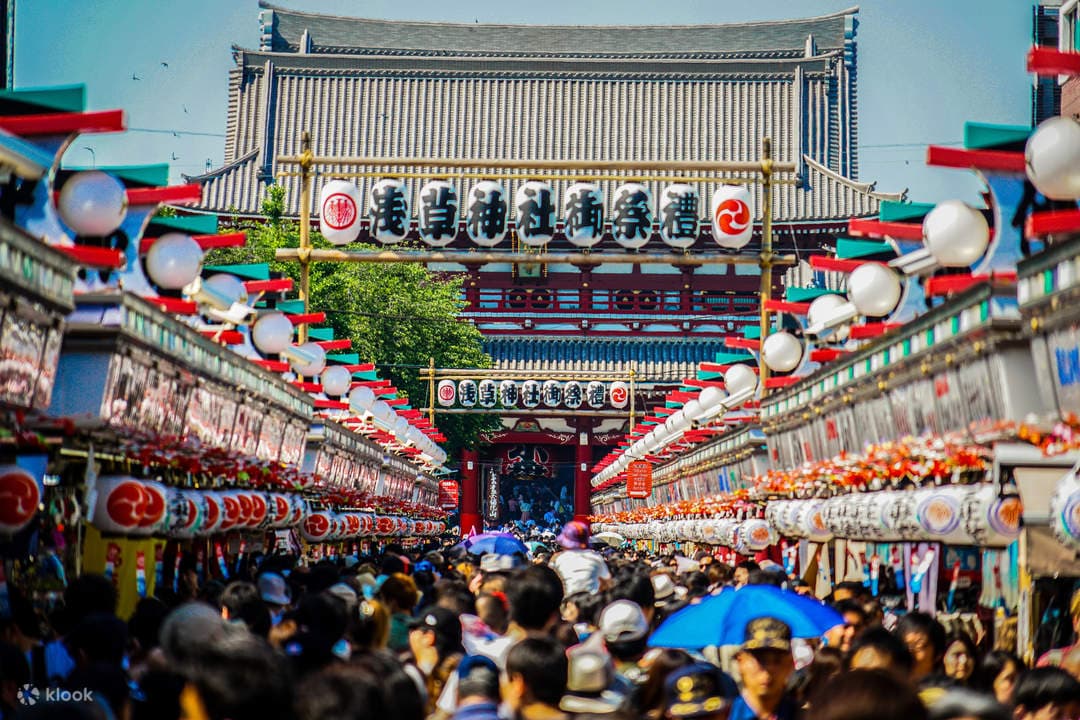
Here's what surprises most first-time visitors: Sensoji is not a quiet, contemplative forest retreat. It is urban, commercial, and unapologetically crowded. The Nakamise shopping street flows through the temple grounds like a traditional marketplace. Vendors sell ningyo-yaki cakes and souvenir lanterns. Food stalls line every corner.
The second surprise is what lies just beyond the main hall: Asakusa Shrine (Asakusa-jinja). This Shinto shrine, dedicated to the two fishermen who discovered the Kannon statue, sits just steps away from the Buddhist main hall. In Japan's layered spiritual geography, Buddhist temples and Shinto shrines often coexist — but Sensoji and Asakusa Shrine form one of the most striking examples of this sacred duality. Spending time with both deepens your understanding of how Buddhism and Shintoism interweave in Japanese culture.

How to Get to Sensoji Temple
By Subway and Train
Asakusa Station sits on three lines, making it easy to reach from anywhere in Tokyo:
- Tokyo Metro Ginza Line: Direct from Shibuya (~30 min, ¥200), Shinjuku (~40 min via transfer, ~¥280), or Ginza (~10 min, ¥190) - Tobu Skytree Line: Direct from the suburbs, terminating at Asakusa - Asakusa Line: An alternative route from central Tokyo
- From Tokyo Station, take the Marunouchi Line to Ginza Station, then transfer to the Ginza Line one stop north (¥320 total, ~30 min).
- Exit at Asakusa Station, Exit 1. The Kaminarimon gate is directly ahead — a two-minute walk and impossible to miss. For full transport options and access maps, the Go Tokyo Official guide to Senso-ji (opens in new tab) is a reliable reference.
By Bus and Water Bus
The scenic alternative is the Tokyo Water Bus (Suijo Bus) from Hinode Pier in Minato ward. The 40-minute journey upriver costs ¥780–¥1,000 and feels like stepping entirely out of the city. You'll arrive at the Sumida Park side of Sensoji — a shorter walk than the station route and genuinely picturesque.
Regular bus routes also serve Asakusa, though the train is faster for most visitors.
Using IC Cards and Rail Passes
A Suica card makes travel across all Tokyo subway lines seamless — tap on, tap off, no tickets required. Load ¥10,000 on arrival and you're covered for most short trips around the city. If you're comparing IC card options before you go, our guide to Japan's prepaid IC cards covers the differences in detail.
JR Pass note: A Japan Rail Pass does not cover Tokyo's subway lines — the Ginza Line serving Asakusa is operated by Tokyo Metro, not JR. For getting to Sensoji, the subway is your fastest and most practical option.
Get a pocket SIM card or portable Wi-Fi before arriving so you can navigate in real time: Pocket Wi-Fi for Japan (opens in new tab)
Sensoji Temple Hours, Entry Fees & Key Practical Info
Is Sensoji Free to Enter?
Yes — completely free. The outer grounds, main hall, and temple approach are open to all visitors at no cost, making this one of the best-value cultural experiences in Tokyo.
The one exception is Denboin Garden, a small and beautiful garden adjacent to the main hall that opens seasonally in spring and autumn with a ¥500 entry fee. Worth visiting if the timing works, but not essential to the Sensoji experience.
Opening Hours: What's Open When
- Outer grounds & Kaminarimon: Open 24/7 (beautifully illuminated at night)
- Main hall (Hondo): 6:00 AM – 5:00 PM (October–March: 6:30 AM – 5:00 PM)
- Nakamise shops: Approximately 10:00 AM – 6:00 PM (individual vendors vary)
- Address: 2-3-1 Asakusa, Taito City, Tokyo 111-0032
Photography is permitted throughout the grounds. Inside the main hall, keep voices low and phones on silent out of respect for worshipers.
Best Time of Day to Visit
The single best piece of advice: arrive before 7:30 AM on a weekday.
The Kaminarimon gate in early morning light, with almost no one around, is genuinely transcendent. The main hall opens at 6 AM. By 9 AM on weekdays — and by 8 AM on weekends — the crowds thicken noticeably and the atmosphere shifts.
New Year Hatsumode (January 1–3) is a special case: Sensoji draws roughly 3 million visitors over those three days. Arrive after January 4 if you prefer any semblance of calm, or embrace the organised chaos as a quintessential Tokyo experience.
The Sanja Matsuri festival (third weekend of May) fills the neighborhood with over 100 portable shrines and draws 1.8 million visitors — spectacular, but genuinely overwhelming.
The Temple Grounds: What to See at Sensoji
Kaminarimon: The Iconic Thunder Gate
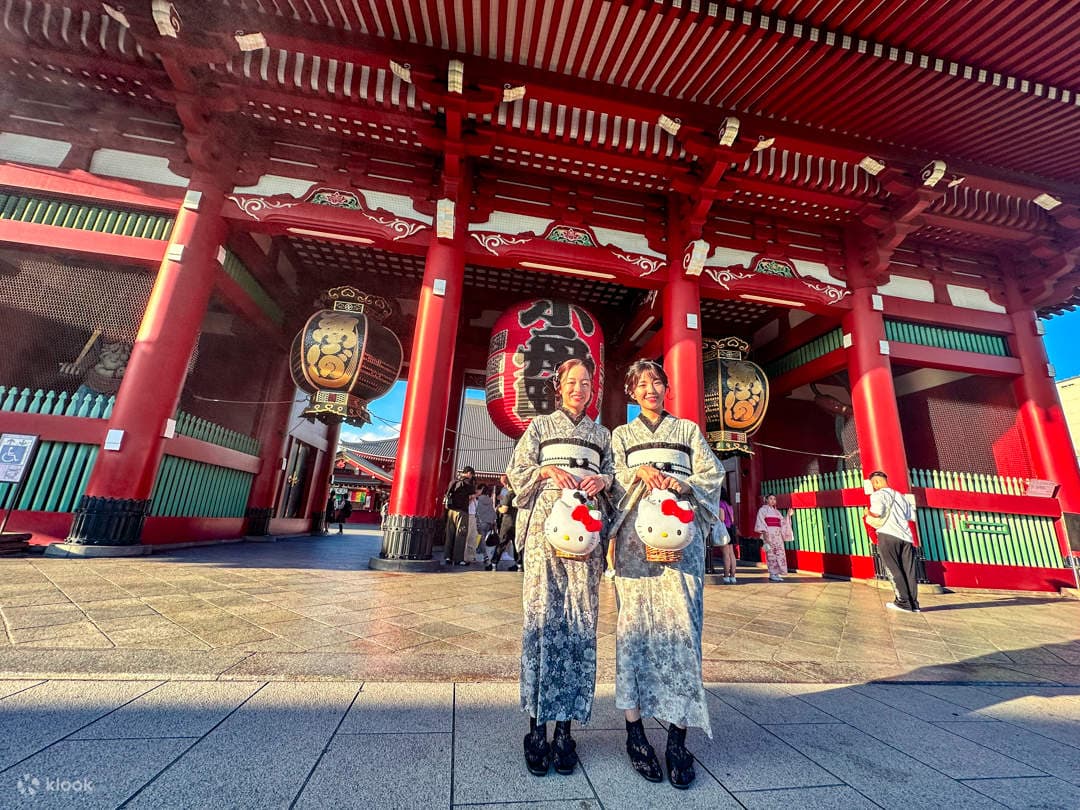
The moment you see the enormous crimson lantern, you understand why Sensoji defines Tokyo's visual identity. Kaminarimon — the "Thunder Gate" — weighs 670 kg and is traditionally renewed every decade. The craftsmanship is extraordinary up close.

Flanking the gate are two guardian deities: Fujin (the wind god) on the left and Raijin (the thunder god) on the right. Both are formidable, mouths open wide, their purpose to ward off evil.
Here's what most tourists miss: look up at the underside of the lantern. A detailed dragon sculpture winds across the interior ceiling — a detail worth pausing for, especially in the quiet of early morning.

Nakamise-dori: The Shopping Street
The 250-metre shopping street connecting Kaminarimon to Hozomon Gate is lined with 89 stalls selling everything from tacky keychains to genuinely beautiful traditional crafts. The key is knowing what to look for.
Worth buying:
- Ningyo-yaki (temple-shaped sponge cakes): Try Kimuraya near the start of Nakamise. ¥800–1,000 for a pack of 10.
- Kaminari-okoshi (rice crackers): Asakusa's signature confection since the Edo period. Multiple vendors compete for your business.
- Handcrafted items: Wooden toys, paper goods, and ceramics from established stalls.
Cash is preferred at most Nakamise stalls — many have no card readers. Come prepared, and see our cash and payment tips for Japan if you're unsure how much to carry.

Hozomon Gate and the Five-Story Pagoda
Beyond Nakamise stands Hozomon — the "Treasure House Gate" — with its own pair of enormous lanterns. Look closely at the back wall: a giant pair of sandals hangs there, belonging to a Buddhist deity. Another easily missed detail.
To the left (northwest) rises the five-story pagoda, Goju-no-to, originally dating to 1648 and rebuilt in 1973. It's one of Tokyo's most photographed structures. For the classic composition, frame it from inside Nakamise looking northwest through Hozomon — best shot early morning or after 5 PM when light is warm and crowds have thinned.

The Main Hall (Hondo) and Incense Burner
The main hall is the spiritual heart of Sensoji. Before entering, you'll encounter the jokoro — a large bronze incense burner permanently wreathed in smoke.
The ritual is simple: waft the smoke toward your face and body. It's believed to purify and heal. Many visitors direct the smoke toward a specific body part — a sore shoulder, tired eyes — and you'll see locals doing exactly this with quiet intention.
Inside the main hall, make an offering. A five-yen coin is traditional — the word for five yen (go-en) sounds like "good connection" in Japanese, making it the lucky choice. Toss it into the wooden box, then follow the customary ritual: bow twice, clap twice, bow once more.
Before you leave, try the omikuji fortune slips. Sensoji is somewhat famous — or infamous — for having around 30% bad luck fortunes, compared to roughly 10% at most other temples. If you draw a bad one, tie it to the wire rack provided rather than taking it home. Leaving it at the temple is believed to neutralise the misfortune.
For broader guidance on how to behave respectfully at temples and shrines across Japan, our guide to Japanese etiquette rules for tourists is essential reading before your visit.

Best Time to Visit Sensoji: A Seasonal Guide
Spring: Cherry Blossoms Along the Sumida River
Late March through early April transforms the adjacent Sumida Park into one of Tokyo's finest cherry blossom spots. Around 600 cherry trees line the riverbank — peak bloom typically arrives in late March to early April, though timing shifts year to year.
The atmosphere during hanami season is intoxicating: families picnicking under the blossoms, food stalls lining the riverbank at dusk, Sensoji glowing softly as darkness falls. For broader seasonal planning, our guide to the best time to visit Japan covers bloom forecasts and regional variations.
The Sanja Matsuri arrives in mid-May — one of Tokyo's three great festivals. Over 100 portable shrines (mikoshi) are carried through Asakusa's streets in ritualistic procession. Crowds are immense, but the energy is unlike anything else in the city. Book accommodation months ahead if planning around this date.

Summer: Fireworks Over the Sumida River
By June, summer heat intensifies and the neighbourhood quiets slightly after the May festival rush.
The seasonal highlight is the Sumidagawa Hanabi Taikai (Sumida River Fireworks Festival) in late July — Tokyo's oldest fireworks festival, dating back to 1733. Asakusa transforms into a sea of yukata (summer kimono), with food stalls, music, and fireworks reflecting off the river. Arrive early to secure a decent viewing spot.
Autumn: Ideal Weather, Golden Ginkgo
October and November are arguably the best months to visit Sensoji. Summer crowds thin significantly, temperatures settle around 18–25°C — ideal for walking — and the ginkgo trees along nearby Umamichi-dori turn a brilliant gold.
The Tori-no-Ichi fair at nearby Otori Shrine (held in November) sells decorative bamboo rakes believed to attract good luck — a beautiful, distinctly Tokyo tradition that most visitors never discover.
Winter: Hagoita-Ichi and New Year Hatsumode
December brings the Hagoita-Ichi market, a craft fair selling ornamental battledores (paddles) traditionally used in New Year games. The designs have become increasingly collectible, and the market has a warm, festive atmosphere.
New Year Hatsumode (January 1–3) sees 3 million visitors descend on Sensoji to make their first shrine visit of the year. The experience is spectacular but chaotic — queues for the main hall can stretch two to three hours. If you want to participate in this quintessential Tokyo tradition, arrive before 6 AM or come after January 4.
Exploring the Asakusa Neighbourhood Beyond the Temple
Hoppy Street and Local Dining
Five minutes' walk from Nakamise lies Hoppy Street (Hoppy-dori), a narrow alley of old-school izakaya (casual bars) that feels a world away from the temple crowds. The vibe is decidedly local — salarymen winding down, retirees, artisans. This is not tourist Tokyo.
Hoppy is the signature drink — a low-alcohol, beer-flavoured beverage typically mixed with shochu. A glass runs ¥300–500. The food is simple, cheap, and satisfying: edamame, yakitori, grilled squid. Budget ¥2,000–3,500 per person for a full dinner with drinks.
It's quintessential Asakusa — the kind of place that explains why locals love this neighbourhood far beyond the temple itself.

Tokyo Skytree Views
A 15-minute walk across the Sumida River brings you to Tokyo Skytree, Japan's tallest structure at 634 metres. Two observation decks offer sweeping panoramic views:
- Tembo Deck (350m): ¥2,100 adult
- Tembo Gallery (450m): ¥3,100 adult (additional ticket)
Book tickets in advance to avoid the queues. On clear days, you can see all the way to Mount Fuji. The Skytree slots easily into an Asakusa half-day itinerary.
Rickshaws and Kimono Rentals
Near Kaminarimon, you'll spot jinrikisha (human-pulled rickshaws) waiting for passengers. Yes, it's touristy — but it's also genuinely enjoyable. A 30-minute ride costs ¥3,000–5,000; longer routes run ¥8,000 and up. The pullers know the neighbourhood well and are happy to share it.
For photos, several kimono rental shops near the temple offer packages for ¥4,000–8,000, including dressing assistance, hair styling, and sometimes makeup. The popular combination — rent a kimono, take photos in front of Kaminarimon, then stroll through Nakamise dressed traditionally — is unabashedly touristy and entirely worth doing.
Book a kimono experience with hair styling included: Kimono Rental in Asakusa (opens in new tab)
Where to Eat Near Sensoji Temple
Street Food You Must Try
Ningyo-yaki (Kimuraya): Temple-shaped sponge cakes filled with red bean paste — an Asakusa classic. ¥800–1,000 for 10.
Melonpan (Kagetsudo): An oversized melon-flavoured sweet bread. The queue outside is always a reliable indicator of quality. ¥500.
Kaminari-okoshi: Traditional rice crackers made in Asakusa since the Edo period. Every vendor's recipe differs slightly — sample a few before choosing.
Imo-yokan (Funawa): Sweet potato jelly from a shop established in 1902. One of Asakusa's most atmospheric old establishments. ¥400 per block.
Menchi Katsu: Deep-fried minced meat cutlets served at various stalls along Nakamise's side streets. Around ¥1,000.
Most street vendors are cash only — come prepared.

Sit-Down Restaurants for Every Budget
Daikokuya Tempura (since 1887): Asakusa's most famous tempura restaurant. Expect queues, particularly at lunch. Tempura donburi (rice bowl) runs around ¥2,500. Reserve ahead if possible.
Sometaro: An old-school okonomiyaki (Japanese savoury pancake) restaurant where you cook on tabletop griddles at your table. Fun, interactive, and great value at ¥1,500–2,500 per person.
Asakusa Mugitoro: Kaiseki-style tororo (grated yam) cuisine — traditional and refined. Mid-range pricing at ¥3,000–6,000. A step up from street food without crossing into special-occasion territory.
Vegan and vegetarian visitors: Asakusa is a traditional neighbourhood with meat-centric cuisine, and vegan-friendly options at heritage restaurants are limited. Our guide to vegan and vegetarian options in Japan is worth consulting before you plan meals here — a hybrid approach combining street food with Tokyo's more plant-friendly dining neighbourhoods tends to work well.
Tips to Visit Sensoji Without the Crowds
When to Go for Fewer People
Best days: Weekdays, especially Tuesday through Thursday. Weekends draw nearly double the foot traffic.
Best months: January–February (post-holiday quiet) and June (rainy season). Summer heat also suppresses crowds somewhat before the July fireworks season kicks in.
Best hours: Arrive by 6:30–7:00 AM on weekdays. The main hall opens at 6 AM. You'll have Kaminarimon nearly to yourself until around 8:30 AM.
Evening visits (after 6 PM): Shops close and crowds thin significantly. The main hall is dark by then, but Kaminarimon is beautifully illuminated — perfect for night photography and an atmospheric evening stroll. The outer grounds remain open around the clock.
Avoid: New Year period (January 1–3), Sanja Matsuri (third weekend of May), and summer weekends.
Sensoji's popularity is part of a broader pattern — it's one of the most-cited examples of overtourism pressures at popular sites in Japan, and visiting at off-peak hours is one of the most effective ways to be a more considerate traveller.
Planning Your Sensoji Visit: Practical Tips Summary
How Long to Spend at Sensoji
- Temple grounds only: 1–1.5 hours - Temple + Nakamise shopping: 2 hours - Full Asakusa neighbourhood exploration: 4–5 hours - Full day including Tokyo Skytree: 6–7 hours
Most visitors spend 2–3 hours at Sensoji and the immediate surroundings — enough to experience the essentials without rushing.
Combining Sensoji with Other Tokyo Highlights
Asakusa + Tokyo Skytree: 15-minute walk. A natural half-day pairing.
Asakusa + Ueno Park and Museums: 20-minute walk. A cultural day combining temples, shrines, and world-class museums.
Asakusa + Akihabara: 20-minute subway journey. Old Tokyo alongside electric Tokyo — an interesting contrast.
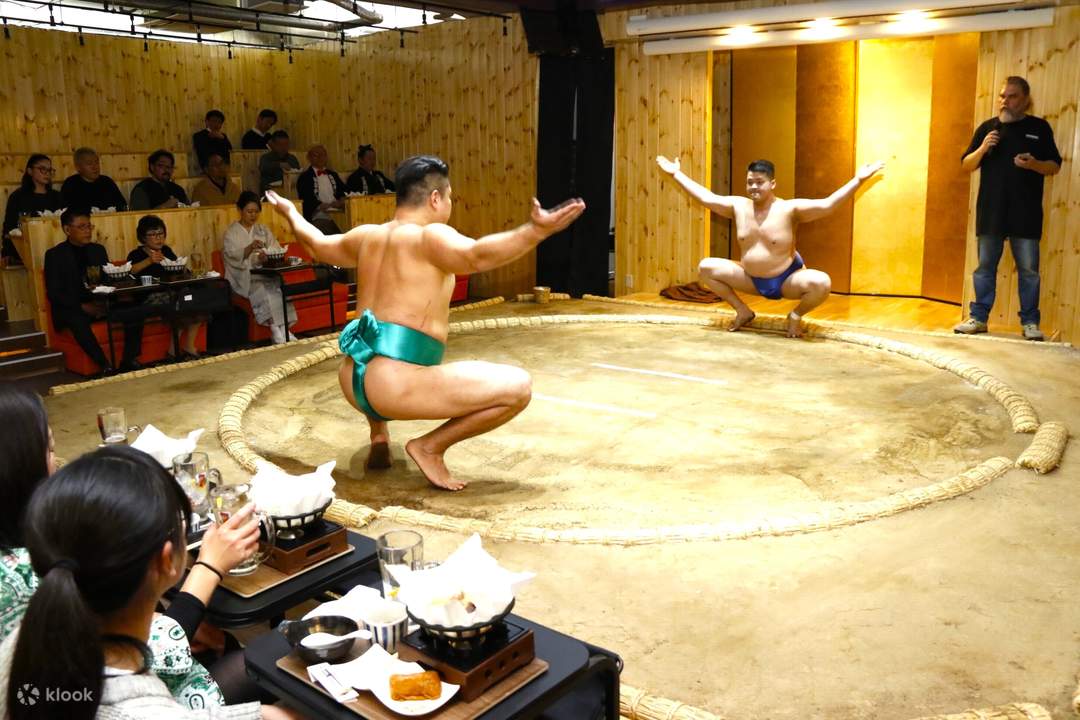
Asakusa + Ryogoku: 15-minute walk. If you want to explore sumo wrestling in Tokyo, the Ryogoku Kokugikan sumo stadium and museum sit close enough to combine comfortably into a single day. You can also book ringside sumo experience tickets (opens in new tab) in advance to avoid missing out.
Half-day Asakusa + half-day Shibuya/Harajuku: Traditional and modern Tokyo in a single well-paced day.
If you're building a wider Japan trip around a Tokyo base, our 7-day Japan itinerary shows how Asakusa fits into a Tokyo–Kyoto–Osaka circuit. Speaking of which — if Sensoji sparks an appetite for Japanese temple culture, the contrast with Kyoto's most famous temples is striking. Kinkaku-ji in Kyoto and a day trip to Nara's temples are both natural extensions for anyone drawn to Japan's religious heritage. For those with more time, a Mount Fuji day trip is also easy to add from Tokyo.
Where to Stay Near Asakusa
Staying in Asakusa gives you one enormous practical advantage: you can walk to the temple at dawn, before any crowds have formed — the single most effective way to transform the Sensoji experience. Budget hostels, mid-range business hotels, boutique properties, and a handful of traditional ryokan stays all cluster within a 10-minute walk of Kaminarimon.
For families travelling with children, our guide to family hotels near Asakusa covers the best options in the area. For broader neighbourhood comparisons across Tokyo, where to stay in Tokyo breaks down the trade-offs by area and budget.
Book early if you're visiting during Sanja Matsuri or the New Year period — rooms fill months in advance.
FAQs
Is Sensoji Temple free to enter?
Yes, Sensoji Temple is completely free to visit. The outer grounds, Kaminarimon gate, Nakamise shopping street, and main hall are all open to visitors at no charge. The only exception is Denboin Garden, which charges ¥500 and opens seasonally in spring and autumn.
What are the opening hours for Sensoji Temple?
The outer grounds and Kaminarimon gate are open 24 hours a day, seven days a week. The main hall opens at 6:00 AM and closes at 5:00 PM, shifting to 6:30 AM from October through March. Nakamise shopping street stalls typically operate from around 10:00 AM to 6:00 PM, though individual vendors vary.
When is the best time to visit Sensoji Temple to avoid crowds?
Arriving before 7:30 AM on a weekday gives you Sensoji Temple at its most peaceful — the main hall opens at 6:00 AM and crowds stay thin until around 8:30 AM. Autumn months of October and November offer the best seasonal balance of comfortable weather and lighter visitor numbers. Avoid January 1 to 3 and the third weekend of May during Sanja Matsuri, when crowds peak dramatically.
How do I get to Sensoji Temple from central Tokyo?
Sensoji Temple in Asakusa is easiest to reach via the Tokyo Metro Ginza Line directly to Asakusa Station, Exit 1. From Shibuya the journey takes around 30 minutes and costs ¥200, while from Tokyo Station you transfer at Ginza for a total of roughly 30 minutes and ¥320. An Suica or Pasmo IC card makes every transfer seamless across all subway lines.
Loading Comments...