1. What is a Ryokan?
A ryokan is a traditional Japanese inn that offers a unique and authentic accommodation experience. Ryokans also provide visitors with a glimpse into the country's history and customs. These Japanese inn are known for their culturl atmosphere, warm hospitality, and attention to detail, making them a great choice for tourists who are looking for an authentic Japanese cultural eperience.
2. The History of Ryokan in Japan
The first Japanese ryokan began during the Edo period (1603-1868), when they served as resting places for weary travelers along the country's major highways between cities. These Japanese inns provided travelers with a comfortable place to rest, eat, and bathe.

2.1. Ryokan Represent Japanese Hospitality (omotenashi)
Over the years, ryokan evolved to become more than just a place to sleep. They became integral to Japanese culture, embodying the principles of omotenashi (おもてなし), meaning "wholehearted hospitality." Ryokans are designed to create a sense of harmony and tranquility, with traditional architecture, tatami-matted (seaweed mats) rooms, and minimalist decor.
3. Why Stay at a Ryokan?
Staying at a ryokan offers a myriad of benefits that set it apart from other types of accommodations. Firstly, ryokans provide guests with a unique cultural experience. From sleeping on traditional futon beds to enjoying kaiseki meals, every aspect of a ryokan stay is designed to immerse visitors in Japanese culture.
3.1. Ryokan: A Personal Experience
Ryokans offer a level of personal attention and service that is unparalleled. The staff at ryokans are trained to anticipate guests' needs and provide assistance in a discreet and unobtrusive manner. Whether it's arranging transportation, recommending local attractions, or simply engaging in a friendly conversation, the staff at ryokans go above and beyond to ensure a memorable stay.
3.2. Ryokans Offer Tradational Japanese Culture
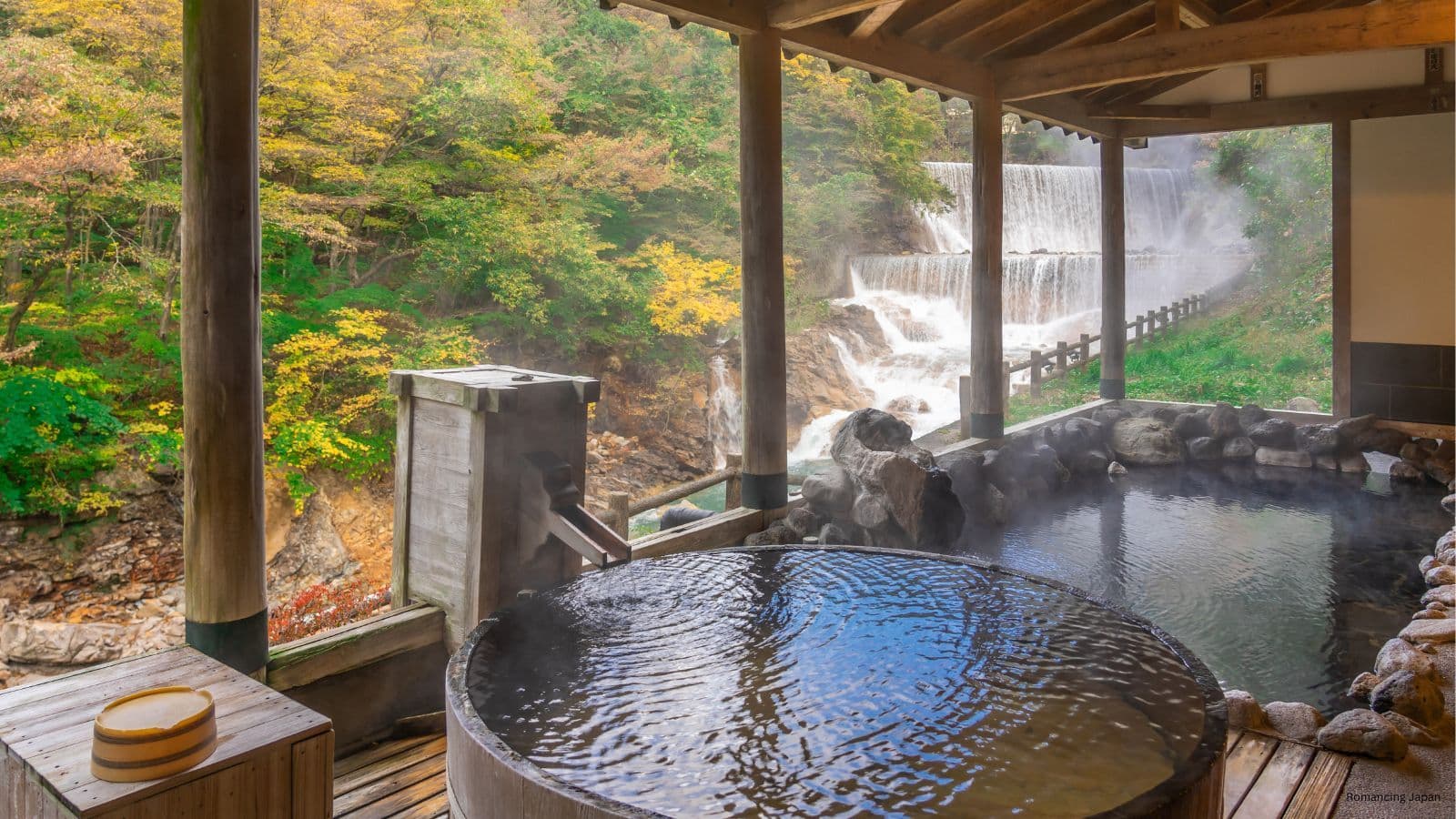
Lastly, ryokans often feature beautiful gardens, stunning views, and serene surroundings that allow guests to unwind and reconnect with nature. Many ryokans also have their own onsens, or hot springs, where guests can relax and rejuvenate their bodies and minds. The combination of natural beauty and traditional design elements creates a truly enchanting atmosphere that is unique to ryokans.

4. Ryokan Etiquette and Customs
When staying at a Japanese inn, it's important to be mindful of the customs and etiquette that are integral to the experience. Removing one's shoes before entering the ryokan is a common practice, as is wearing the provided yukata, a casual robe, during the stay. Additionally, guests are expected to be respectful of the quiet and peaceful atmosphere of the ryokan, as well as the other guests.
4.1. Understanding Onsen in a Ryokan
Another important aspect of ryokan etiquette is the proper use of the communal baths. These Japanese inn baths, known as onsen, are a central part of the ryokan experience. Before entering, guests are required to wash themselves thoroughly in the designated area. It's also important to note that tattoos may be prohibited in some ryokans due to their association with the Yakuza, a Japanese organized crime syndicate.
5. Top Ryokan in Kyoto
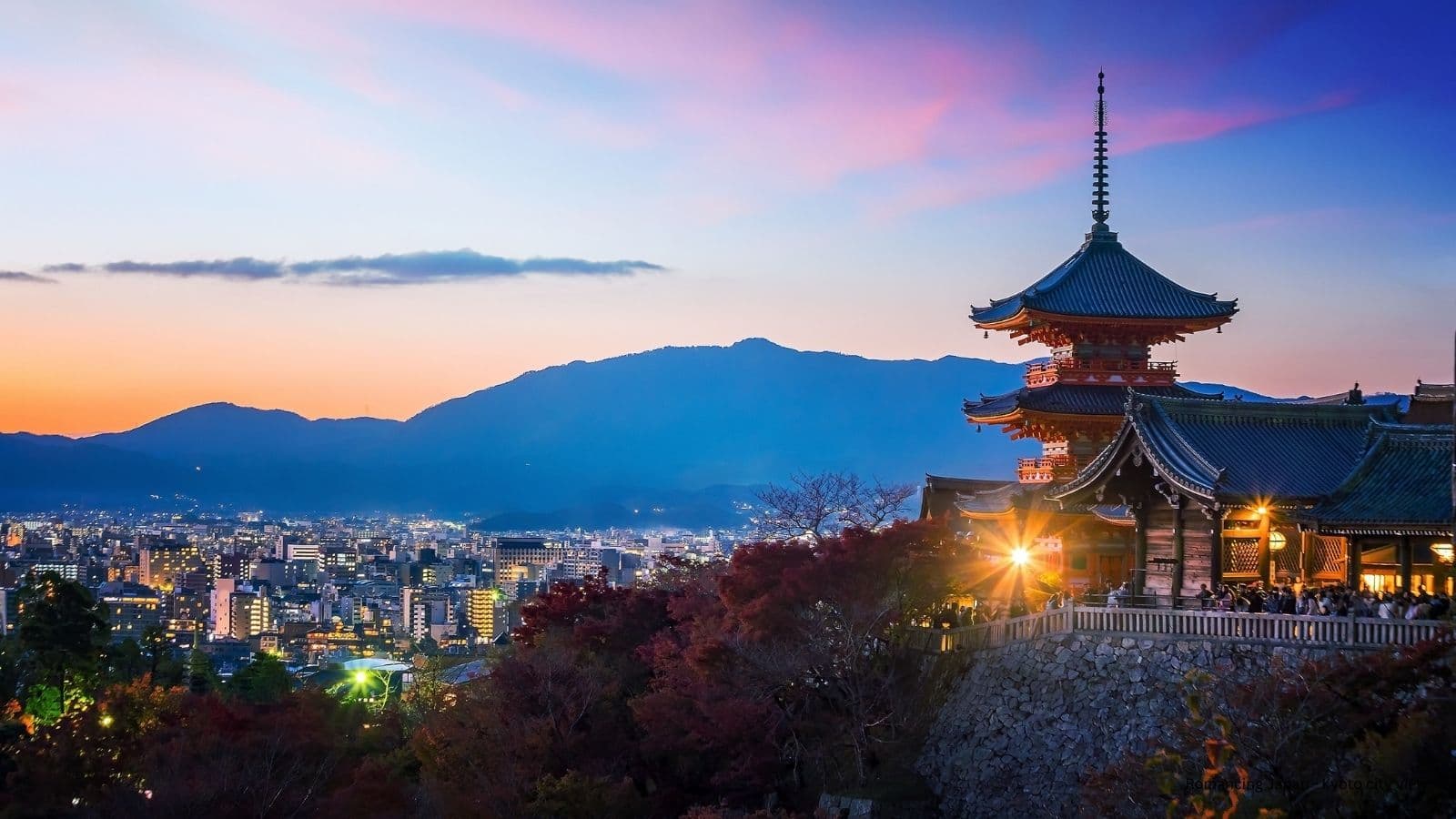
Kyoto, with its rich history and cultural heritage, is home to some of the most exquisite ryokans in Japan. One such Japanese inn is the Tawaraya (opens in new tab), which has been operating for over 300 years. Known for its impeccable service and traditional design, the Tawaraya offers guests a truly authentic ryokan experience.
5.1. Ryokan in Arashiyama, Kyoto
For those seeking a more intimate and private experience, there are several ryokans in Kyoto that offer rooms with private onsens. One such ryokan is the Arashiyama Benkei (opens in new tab), located in the Arashiyama district (Arashiyama is famous for its bamboo forest and open monkey park). Guests can indulge in a relaxing soak while marveling at the breathtaking views of the surrounding mountains.
5.2. Ryokan in Higashiyama, Kyoto
Another option is the Yoshimizu Inn (opens in new tab), nestled in the Higashiyama district. This ryokan offers spacious rooms with private gardens and onsens, allowing guests to unwind in complete seclusion. The Yoshimizu Inn also provides traditional kaiseki (opens in new tab) meals made with locally sourced ingredients, ensuring a truly authentic culinary experience.
6. Ryokan in Tokyo
While Tokyo is known for its bustling cityscape, it is also home to a number of exceptional ryokans. One such Japanese inn is the Hoshinoya Tokyo, located in the heart of the city. This modern ryokan combines traditional elements with contemporary design, offering guests a unique blend of old and new.
Another notable Tokyo Japanese inn is the Ryokan Sawanoya, situated in the historic district of Yanaka. This family-run ryokan provides a warm and welcoming atmosphere, with tatami-matted rooms and a communal bath. Guests can also enjoy a traditional Japanese breakfast served in their room, adding to the authentic experience.
7. Ryokans in Hakone with Stunning Views
Hands down, Hakone is the best spot for ryokan and onsen (hot spring). A popular hot spring destination located just outside of Tokyo, Hakone is home to ryokans that offer breathtaking views of the surrounding natural beauty. One such Japanese inn is the Gora Kadan (opens in new tab), nestled atop a hill overlooking the Hakone mountains. With its spacious rooms, private onsens, and gourmet dining options, the Gora Kadan offers a luxurious ryokan experience.
8. How to Choose the Best Ryokan in Japan
With so many ryokans to choose from, selecting the best one for your stay can be a daunting task. To ensure a memorable experience, consider the following factors:
- Location: Determine whether you prefer a ryokan in a bustling city or a tranquil countryside setting.
- Amenities: Take into account the facilities and services offered, such as private onsens, gardens, or dining options.
- Budget: Set a budget and find a ryokan that offers the best value for your money.
- Reviews: Read reviews from previous guests to get insights into the quality of service and overall experience.

9. Tips for Booking a Ryokan Stay
Booking a ryokan stay requires careful planning and consideration. Here are a few tips to help you secure your desired ryokan experience:
9.1. Book Your Ryokan in Advance
Ryokans tend to fill up quickly, especially during peak travel seasons, so it's recommended to make reservations well in advance.
9.2. Which Season is Best to Stay at a Ryokan?
Different seasons offer unique experiences in Japan, such as cherry blossom viewing in spring or autumn foliage in the fall. Take this into account when planning your ryokan stay.
9.3. Communicate Dietary Restrictions to Staff
If you have any dietary restrictions or preferences, inform the ryokan in advance to ensure they can accommodate your needs. Meals in a ryokan take a long time to prepare. The staff will need plenty of advanced warning.
9.4. Familiarize Yourself with the Etiquette
Before your stay, familiarize yourself with the customs and etiquette of ryokans to ensure a smooth and respectful experience.
10. Consider Staying at a Ryokan
Staying at a ryokan is an unforgettable way to immerse yourself in Japanese culture and hospitality. From the serene atmosphere to the personalized service, every aspect of a Japanese inn stay is designed to provide guests with a unique and authentic experience. Whether you choose to stay in Kyoto, Tokyo, or Hakone, there are ryokans that cater to every taste and preference. So, why not unlock the secrets of Japan's timeless accommodation experience and embark on a journey that will leave lasting memories?
Leave a Comment 🗩
FAQs
No FAQs available for this post.
Loading Comments...